
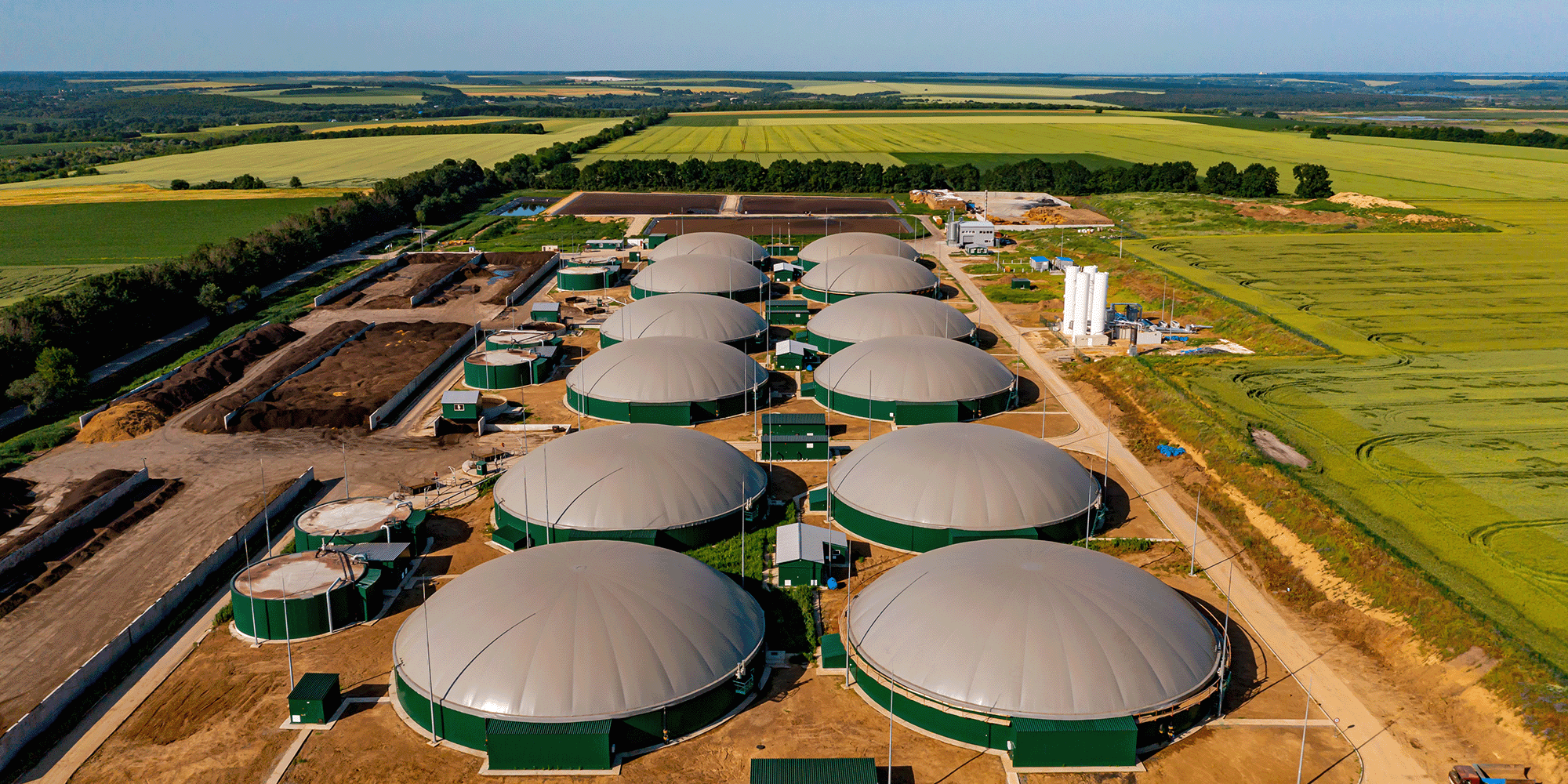
The expansion of biomethane plants in Spain and Europe is now an unstoppable trend. Thanks to its ability to replace fossil natural gas and be injected directly into the grid, biomethane has become the key energy carrier of the circular economy.
However, for a biomethane plant to be truly profitable, simply producing gas is not enough; the challenge lies in the efficiency of the upgrading process and in controlling operating costs (OPEX).
The challenge of purity in biomethane
Biomethane requires a methane content of over 95% and minimal contaminants. The main enemy in this process is hydrogen sulfide (H2S). If raw biogas reaches the filtration membranes with high concentrations of H2S:
- Maintenance costs increase: Activated carbon filters become saturated sooner.
- Risk of corrosion: Critical compression equipment is damaged.
- Unscheduled shutdowns: Fewer hours of injection into the electricity or gas grid.
Smallops: on-site cleaning for biomethane plants
At Smallops, we have developed a disruptive solution using iron nanoparticles (OPS) produced from olive oil waste.
By integrating our technology directly into the bioreactor, we enable desulfurization to occur internally. This means that the gas entering the upgrading stage is already “pre-cleaned,” drastically reducing the workload on the final filtration systems.
Competitive advantages of optimizing your plant
Implementing OPS technology in a biomethane plant offers direct benefits:
Digestate valorization: The final residue is enriched with iron, turning it into a biofertilizer with higher commercial value.
- OPEX reduction: Lower costs for chemical consumables and membrane replacement.
- Biological stability: Nanoparticles facilitate the activity of existing microorganisms, improving the kinetics of anaerobic digestion.
- Digestate valorization: The final residue is enriched with iron, turning it into a biofertilizer with higher commercial value.
Smart biomethane
The success of a biomethane plant is measured not only by the volume of gas injected, but also by the intelligence with which its byproducts and cleaning costs are managed. At Smallops, we help plant managers make the leap toward cleaner, more stable, and more profitable production.