
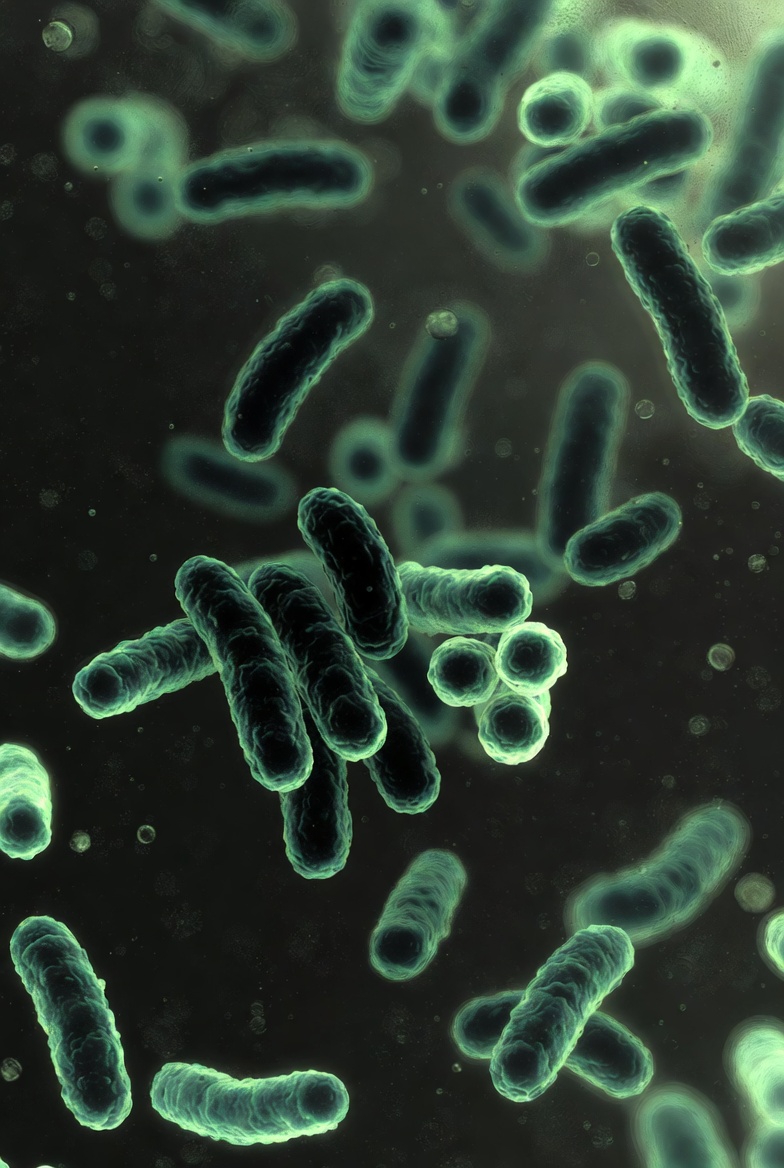
In the field of anaerobic digestion, the use of iron nanoparticles has become widespread as a strategy to improve process stability and support the metabolism of anaerobic microorganisms. However, many of the available solutions have a common, easily recognizable feature: a reddish color associated with partially or fully oxidized iron oxides.
At first glance, this detail, often considered minor or merely aesthetic, is actually a direct indicator of the chemical state of the material and its behavior in the digester. Indeed, early oxidation of iron limits its actual availability and conditions its interaction with anaerobic microorganisms.
In this context, a key question arises for technical managers and plant engineers: why are some iron nanoparticles black rather than reddish, and what does this imply for their performance in biogas plants? To answer this, it is necessary to look at carbon and how it modifies the relationship between iron and anaerobic biological systems.
The color of nanoparticles as a functional indicator
Metallic nanoparticle color is not a superficial attribute, but rather a direct consequence of its chemical structure and oxidation state. In the case of iron, reddish or brown tones are usually associated with stable ferric oxides, formed after exposure to oxygen during synthesis, storage, or handling of the material.
As a result, these oxides are less reactive in anaerobic environments and require prior reduction processes for the iron to actively participate in microbial metabolism. In practice, this translates into uncontrolled release and limited efficacy over time.
In contrast, black nanoparticles indicate the presence of iron in a less oxidized state or protected from oxidation. This visual feature is a sign that the material has been designed to maintain its chemical functionality inside the anaerobic digester.
The role of carbon in Smallops’ OPS
OPS nanoparticles incorporate a carbon encapsulation that significantly modifies the behavior of iron in industrial biological environments.
Carbon encapsulation and chemical stability
Carbon acts as a physical and chemical barrier against oxygen, reducing premature oxidation of iron during storage and handling. This encapsulation does not eliminate the reactivity of iron, but preserves it until the material comes into contact with the anaerobic environment of the digester.
From a functional point of view, the black color of OPS is a direct consequence of this carbon coating, which dominates the optical response of the material and reflects its greater chemical stability compared to conventional ferric nanoparticles.
Controlled release of iron into the digester
Once in the anaerobic digester, the reducing environment and microbial activity promote a gradual release of iron from the carbon matrix. This behavior prevents concentration spikes and allows iron to be available on a sustained basis, better aligning with the biological timing of the digestion process.
This controlled release is particularly relevant in industrial systems, where the occasional dosing of iron can generate transient effects with no real impact in the medium term.
Interaction of nanoparticles with anaerobic microorganisms
Beyond the chemistry of iron, carbon plays a key role in how nanoparticles interact with microbial communities in the digester.
Carbon affinity with anaerobic microorganisms
Carbonaceous materials have a higher biological affinity than many metal oxides. Their surface is more compatible with biofilms, microbial aggregates, and extracellular matrices, facilitating contact between the material and anaerobic microorganisms.
This greater affinity reduces the “foreign” nature of the additive from a biological point of view, favoring its integration into the microbial ecosystem of the digester.
Impact on methanogenesis and electron transfer
In anaerobic digestion, the availability of electrons and metal cofactors is a limiting factor for certain metabolic pathways, especially in methanogenesis. Carbon can act as a support for electron transfer processes, while iron participates as a key element in enzymes and redox reactions.
The combination of both in a single nanoparticle promotes synergies that do not occur in oxidized ferric materials, where iron is chemically isolated and less accessible to microorganisms.
Industrial advantages in biogas plants
From an operational perspective, the carbon encapsulation of iron nanoparticles offers significant advantages for their use in biogas plants:
- Greater material stability during storage and handling.
- Prolonged action in the digester, aligned with the anaerobic process times.
- Lower sensitivity to actual operating conditions, such as variations in load or substrate composition.
- Better integration with complex and dynamic microbial communities.
These characteristics make the material’s performance more predictable and robust in industrial environments, where conditions are far from ideal or constant.
It’s not iron: it’s nanotechnology designed for anaerobic microorganisms
The black color of OPS nanoparticles is not an aesthetic or anecdotal feature, but rather the visible manifestation of nanotechnology designed for industrial biological systems. Compared to reddish iron nanoparticles, which are associated with oxidized states and reduced functionality, carbon encapsulation protects the iron, modulates its release, and improves its interaction with anaerobic microorganisms.
In the context of biogas and anaerobic digestion, this means moving from adding “iron” in a generic way to incorporating a material specifically designed to work with complex microbiology. It is not just about the chemical element, but how it is presented, protected, and made available to the biological processes that sustain biogas production.