
Free ammonia in biogas: calculation, thresholds and mitigation

Co-digestion multiplies profitability but introduces dynamic uncertainty. The first risk is not total ammoniacal nitrogen (TAN): it is the free NH3 fraction. It is governed by the pKa 9.25 equilibrium, modulated by pH and temperature. A digester that incorporates pig slurry, WWTP sludge or poultry by-products without auditing the mixture works with an inhibition variable […]
Anaerobic digester stabilisation: sentinel variables, FOS/TAC thresholds and predictive control
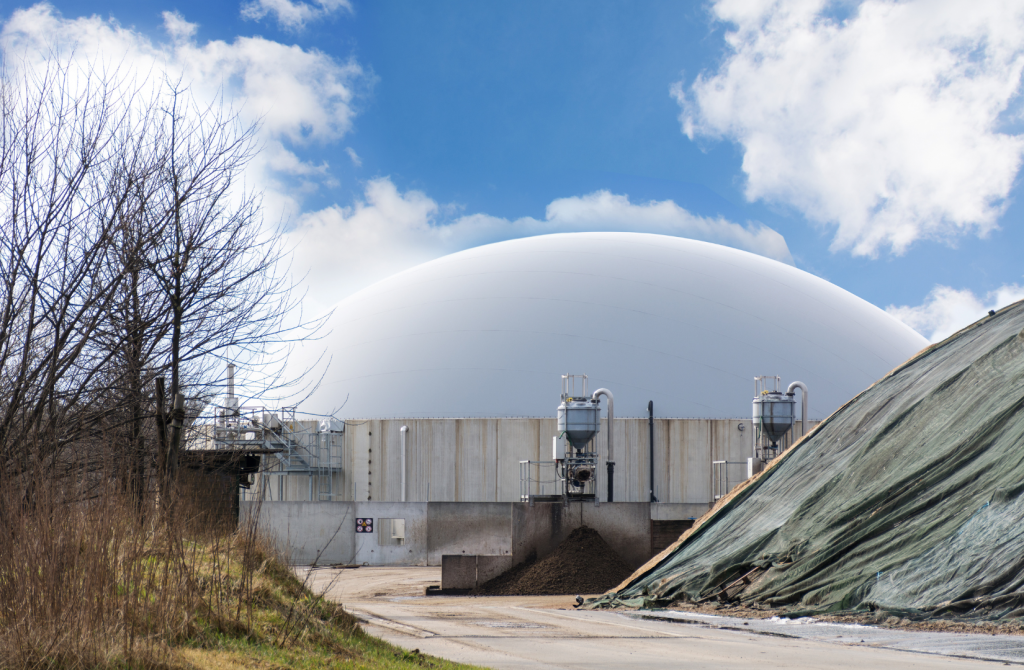
Running an anaerobic digester by looking only at pH and biogas production is operating with the rear-view mirror. By the time pH falls you may already have severe acidosis: the operational damage shows up 5 to 14 days earlier in the variables you should be measuring. Robust control is built on sentinel variables with defined […]
The lab-to-plant gap in biogas: closing it with VDI 4630
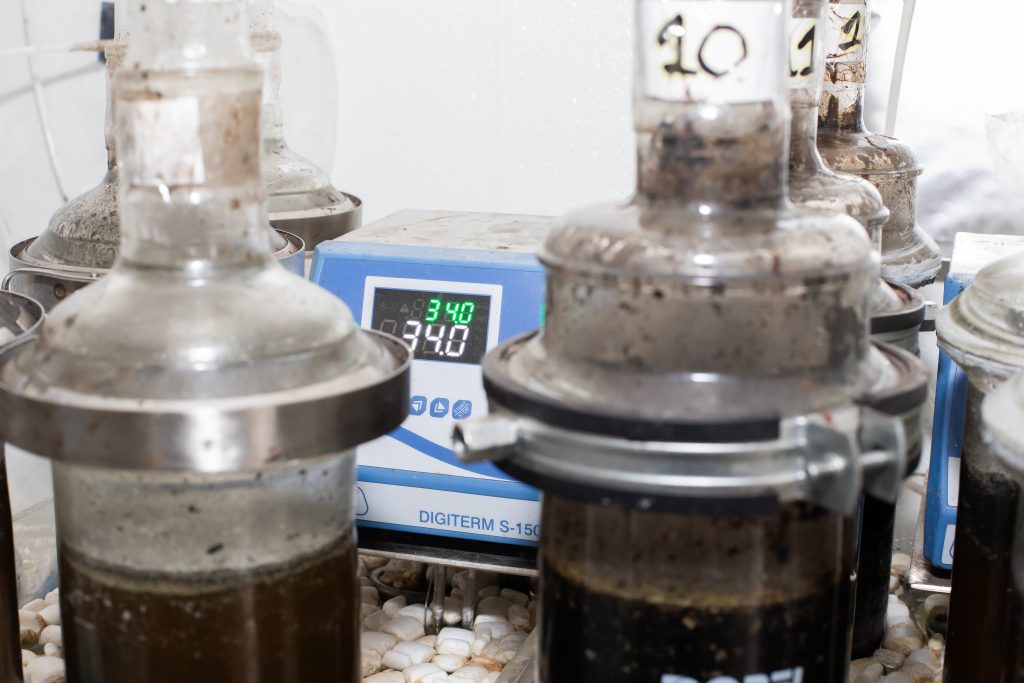
An excellent BMP test in the laboratory does not guarantee a stable digester in the plant. The difference between theoretical potential and real production, the so-called lab-to-plant gap, is commonly measured at between 15% and 40% when the test is run without meeting the three requirements set by the VDI 4630 standard: an adequate inoculum-to-substrate […]
The new standard in biomethane plants
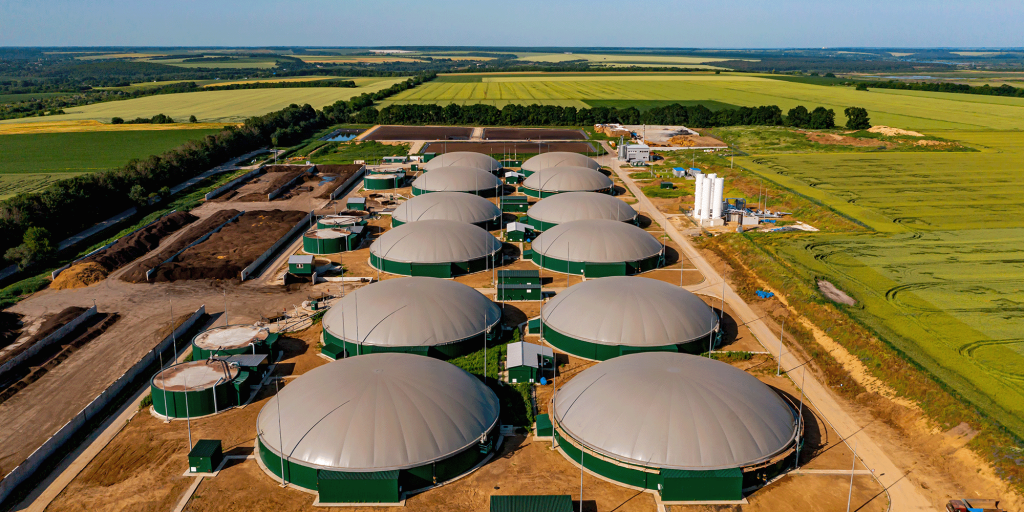
The expansion of biomethane plants in Spain and Europe is now an unstoppable trend. Thanks to its ability to replace fossil natural gas and be injected directly into the grid, biomethane has become the key energy carrier of the circular economy. However, for a biomethane plant to be truly profitable, simply producing gas is not […]
Higher performance with sustainable fertilizers
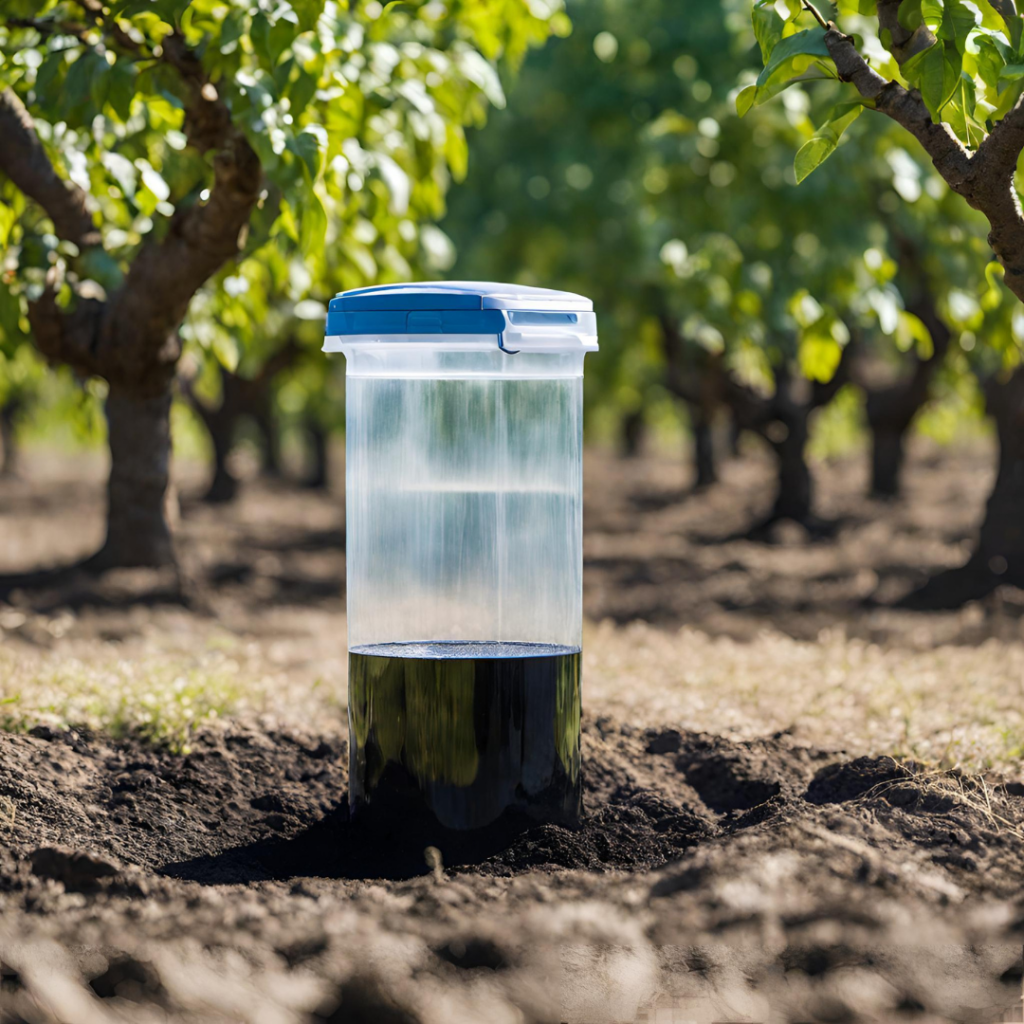
The challenge of doing more with less Today, farmers face a twofold challenge: on the one hand, the need to increase production, and on the other, the need to reduce environmental impact and input costs. In this context, sustainable fertilizers are establishing themselves as a key tool for improving efficiency and profitability in agriculture. At […]
Fulvic acids: science and agronomic function
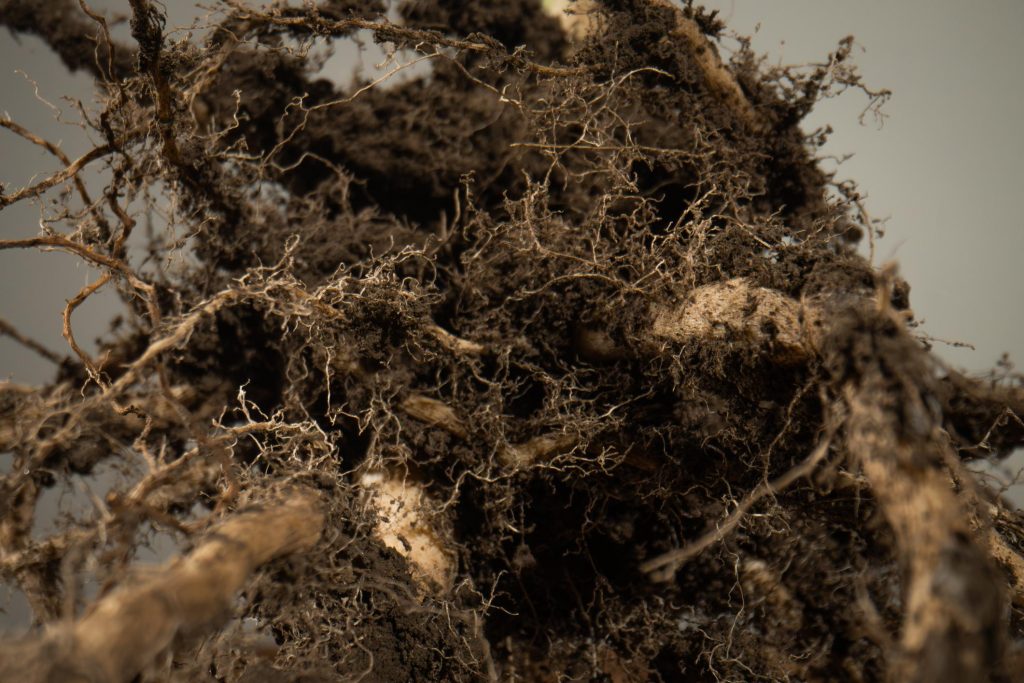
Beyond conventional organic matter In precision agronomy, the challenge is no longer the amount of fertilizer applied, but rather its actual bioavailability in the rhizosphere. Within the complex world of humic substances, fulvic acids represent the most dynamic and physiologically active fraction. At Smallops, we have perfected the extraction of these compounds through the advanced […]
Optimize biogas without altering the digester
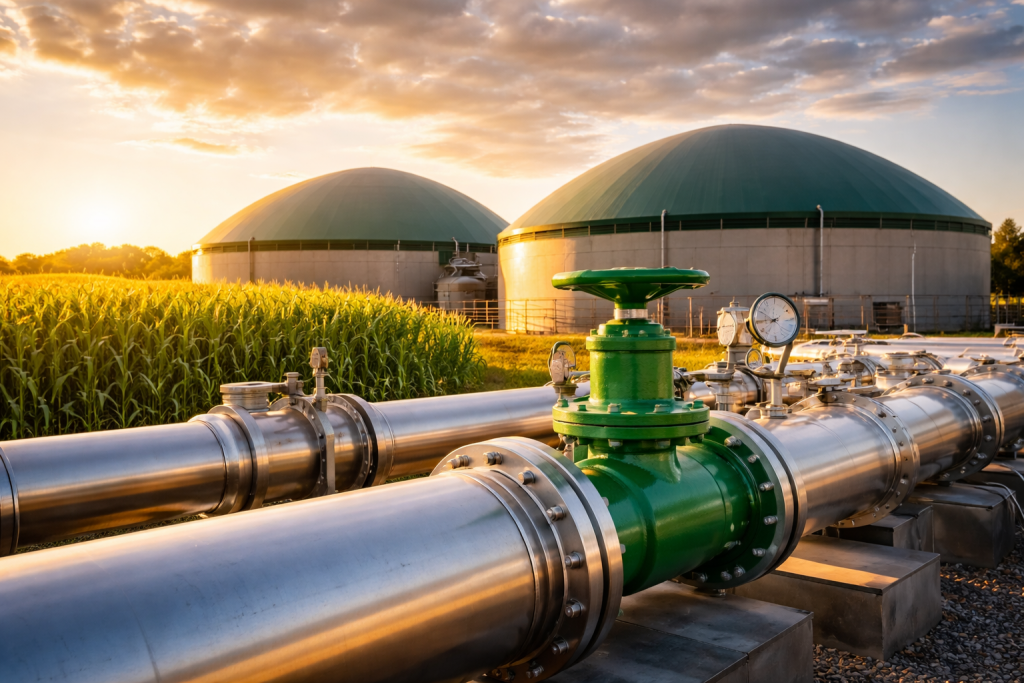
In the operation of a biogas plant, there is an unwritten rule: if the digester is working, it’s better not to touch it. Process stability is a fragile balance. It is built over time, through experience and fine adjustments that are not always easy to replicate. However, there is also a common feeling. The plant […]
The invisible error that limits anaerobic microorganisms
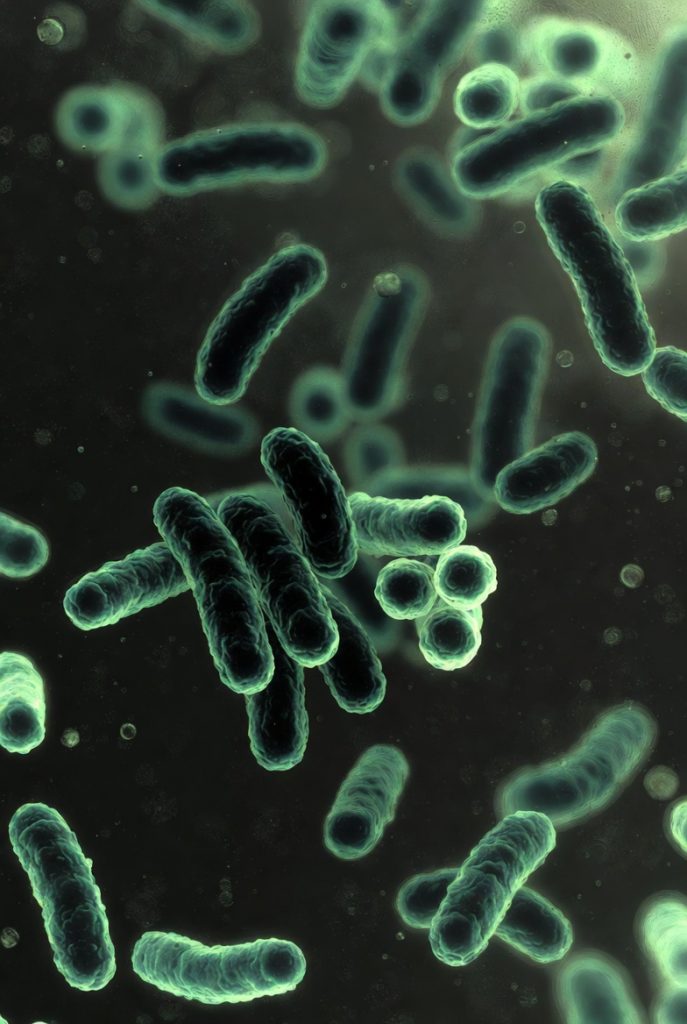
In the field of anaerobic digestion, the use of iron nanoparticles has become widespread as a strategy to improve process stability and support the metabolism of anaerobic microorganisms. However, many of the available solutions have a common, easily recognizable feature: a reddish color associated with partially or fully oxidized iron oxides. At first glance, this […]
Biogas and Biomethane testing services: Maximize the efficiency of your plant

At Smallops, we are committed to driving innovation and excellence in the biogas industry. Our specialized biogas and biomethane testing services are designed to help you maximize your plant performance and optimize your production processes. Find out how we can help you achieve your goals and boost the success of your biogas plant. Research and […]
WHAT IS BIOGAS AND HOW IS IT PRODUCED?

What is biogas and how is it produced?