
Biogas desulphurisation: digester vs gas line
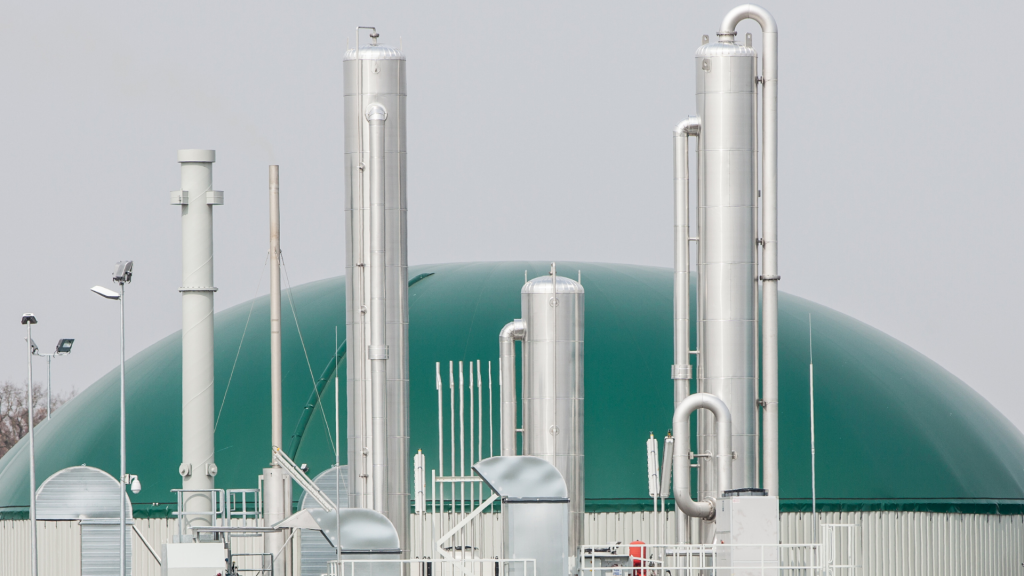
Biogas desulphurisation can be done inside the digester (precipitating sulphides with iron salts or using conductive nanoparticles) or downstream, in the gas line (impregnated activated carbon, biofilters, chemical scrubbers). The correct technical decision is not choosing one or the other: it is understanding which fits your plant’s H2S regime, the engine or biomethane-grid specification, and […]
Biogas additives: the myth of the magic solution
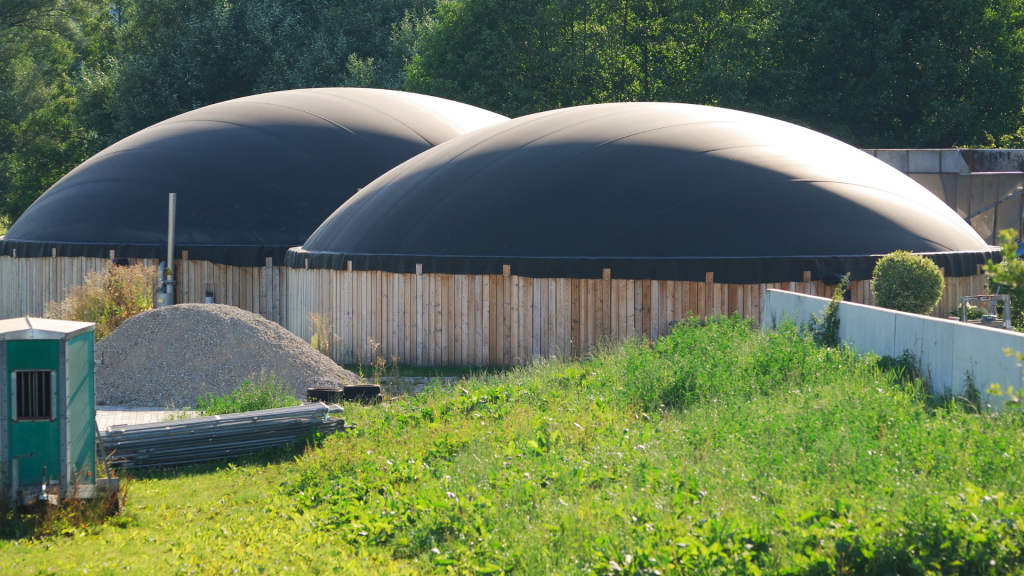
Biogas additives have a place in a well-operated plant, but the place they occupy is always the last, never the first. When applied without a prior diagnosis, the most likely outcome is an ROI below 1x within 12 months, a sustained loss, and a recurring annual cost of between €30,000 and €80,000 in a 1 […]
Biogas engineering vs O&M: the three asymmetries of the EPC
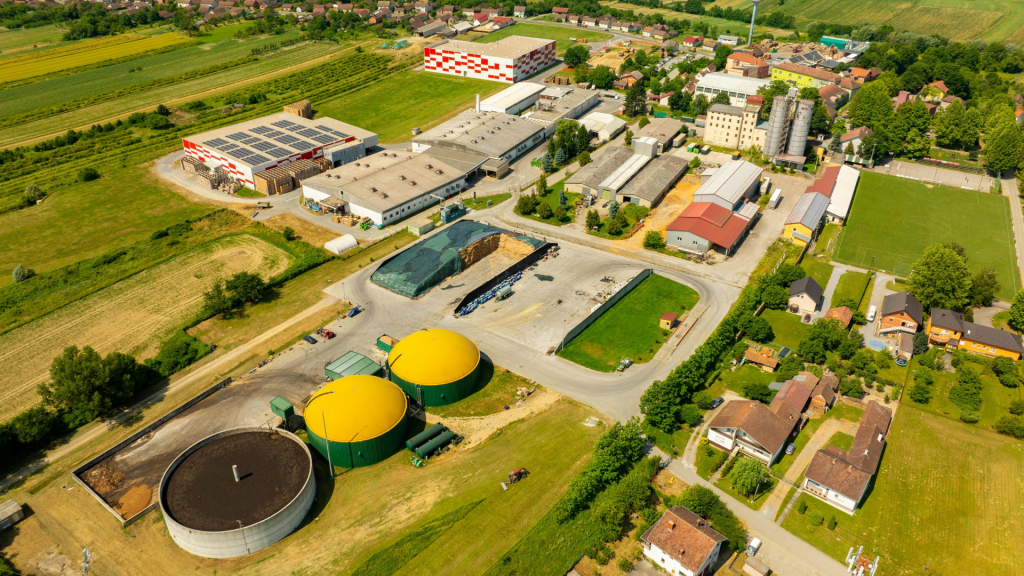
Engineering and biological O&M answer different questions at different times. EPC engineering delivers a plant that is sized, built and commissioned, with a typical process guarantee of 12-24 months. Biological O&M maintains operational control over the following 15-25 years, against a diet that changes, a consortium that evolves and supply contracts that are renegotiated. Three […]
Slurry biogas: stabilisation against inhibitors
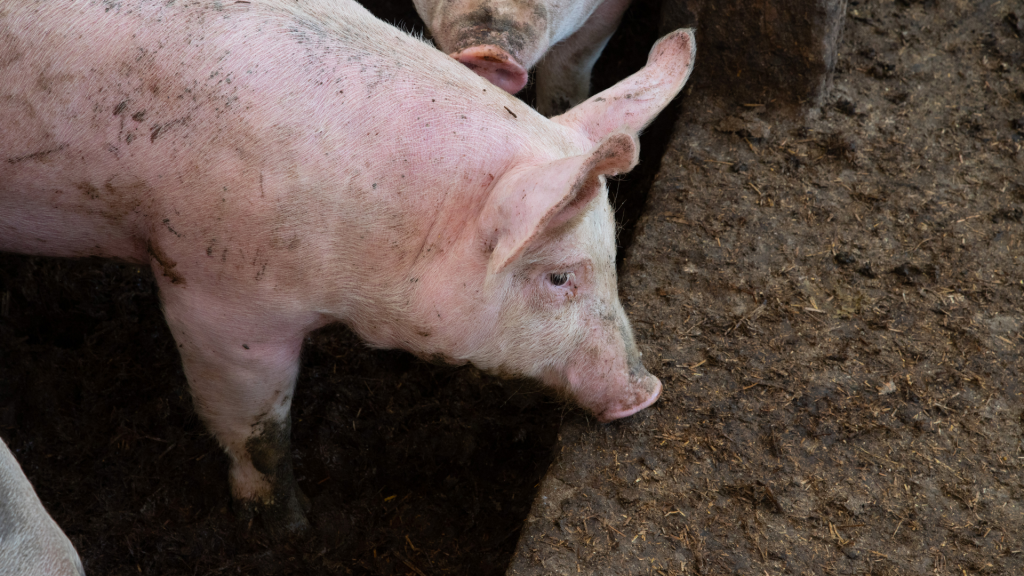
Slurry biogas carries three specific operational pains that do not appear with other substrates: a low energy load per unit of mass, free ammonia inhibition derived from the ammonia nitrogen in the manure, and the erratic entry of veterinary antibiotics and disinfectants that damage the methanogenic consortium. The profitability of livestock biogas does not depend […]
Biogas in WWTPs: more production by co-digesting agro-industrial waste and fats
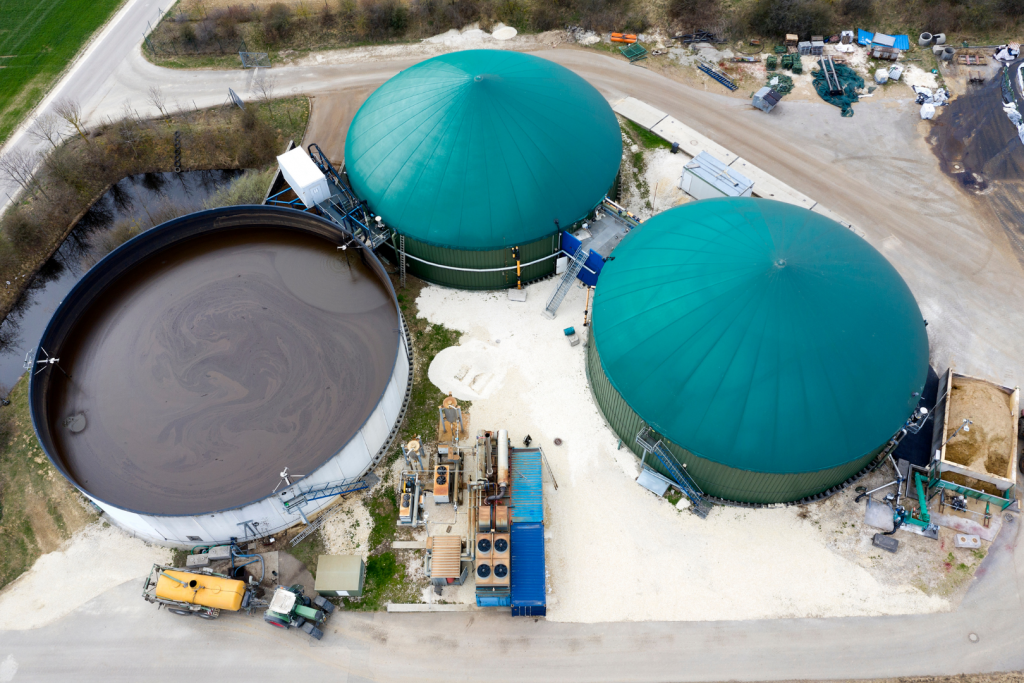
Biogas in WWTPs is the most underused operational opportunity in the Spanish water sector. Most plants with anaerobic digestion digest only primary and secondary sludge, when they could produce considerably more biogas by co-digesting organic waste from the agri-food industry and fats. Well-managed co-digestion raises biogas production with a small increase in the dewatered sludge […]
Agro-industrial co-digestion biogas: seasonal variability

Agro-industrial co-digestion in biogas is the main strategy for diversifying the digester diet and raising productivity above single-substrate operation. But it is also the main source of operational instability. For example: the seasonal variation of VS in alperujo can reach ±25%, silages lose BMP with storage time and fruit and vegetable waste concentrates peaks of […]
Scaled biogas pilot: 5 quantitative success criteria
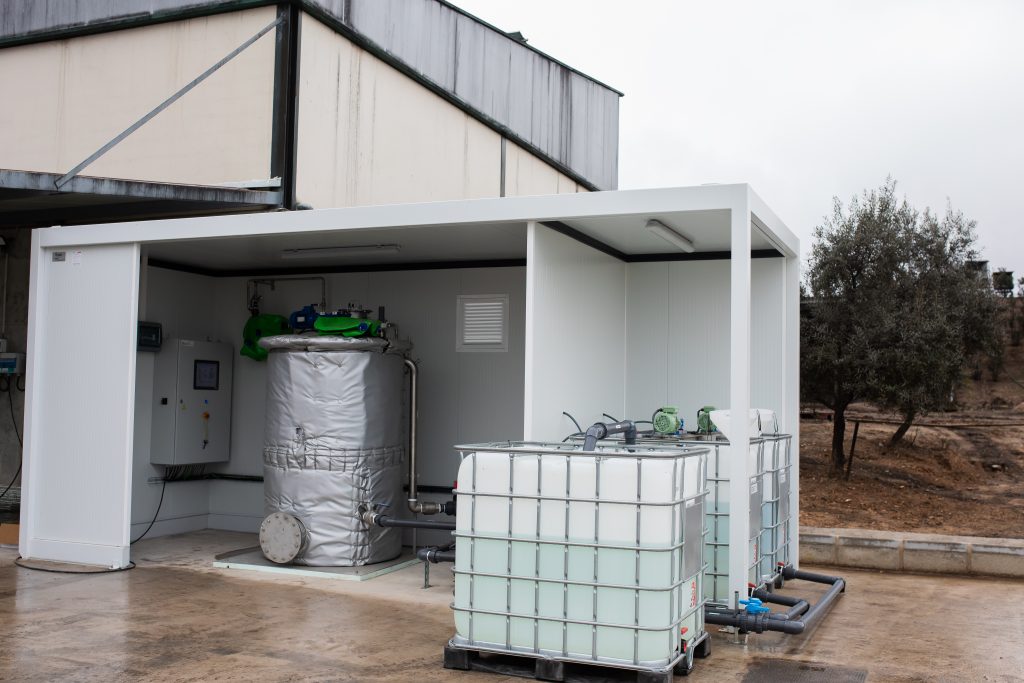
A properly scaled biogas pilot starts with quantitative success criteria defined before the pilot, not after. Five KPIs support the technical decision: a minimum increase in specific productivity (≥ 7%), operational stability measured by FOS/TAC (< 0.35 during 80% of the pilot), H₂S reduction (≥ 30% where applicable), reproducibility sustained for 60 days without new […]
BMP biogas VDI 4630: ISR, acclimation and kinetic fitting
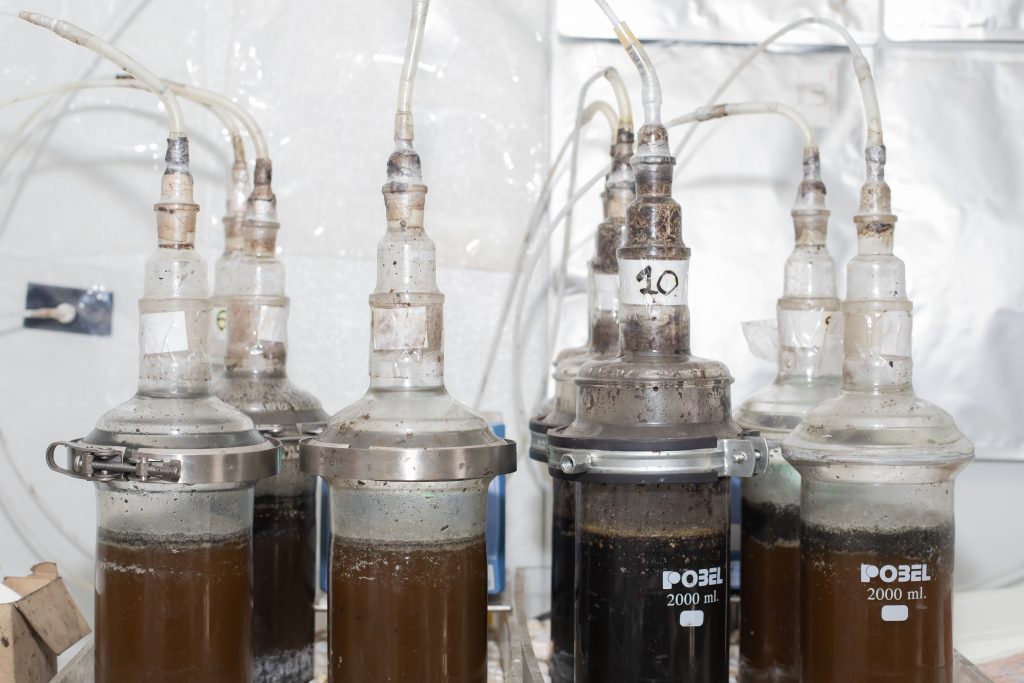
BMP tests that do not comply with the VDI 4630 protocol introduce biases of 20-40% in the results. The critical points are the inoculum-to-substrate ratio (ISR ≥ 2 on VS), acclimation of the inoculum, the inclusion of triplicates and endogenous blanks, the termination criterion (daily production < 1% of the cumulative value) and kinetic fitting […]
Biogas plant diagnosis: a 14-KPI dashboard
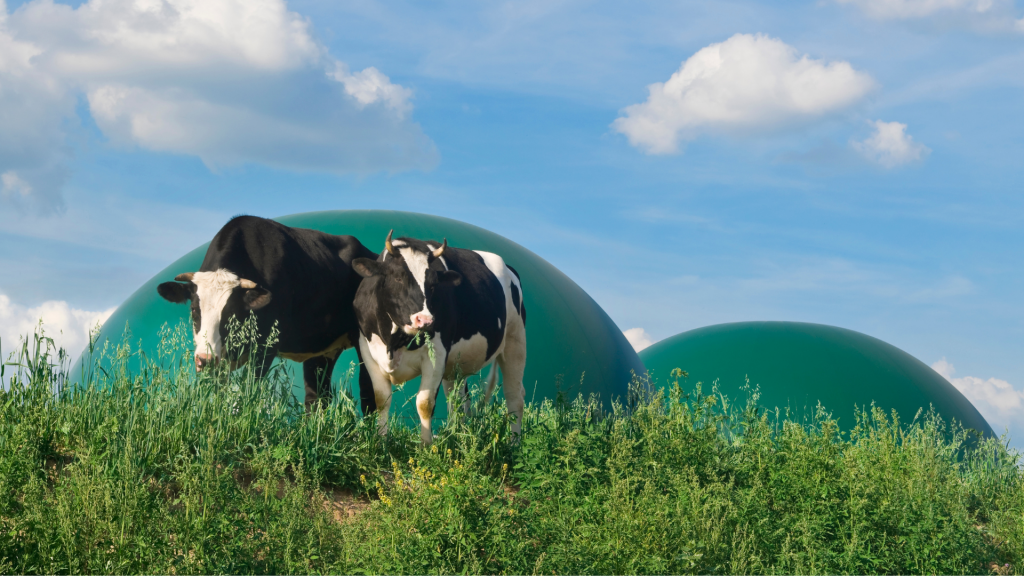
Operating a biogas plant without a technical dashboard turns every biological shutdown into a mystery. The Smallops Operational Excellence Diagnosis assesses 14 variables grouped into 4 blocks — load, performance, stability and inhibitors — and classifies each inefficiency into its real category: a criterion failure, a methodological error or a physical limitation. With that classification, […]
Anaerobic digestion additives: a 5-step technical protocol
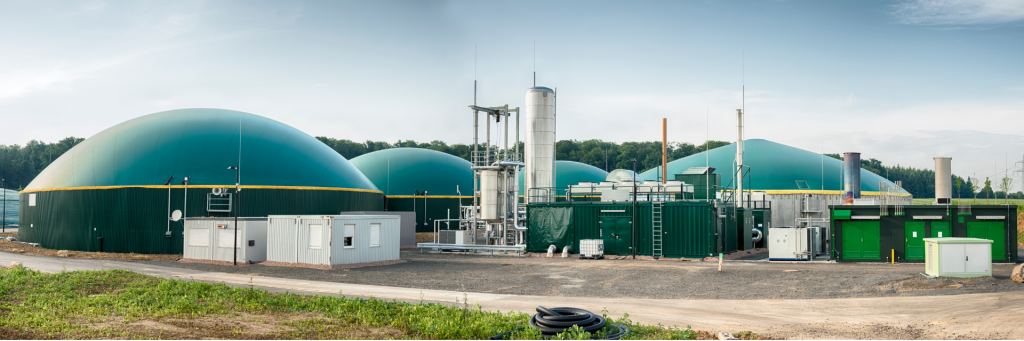
Applying additives or catalytic nanoparticles to an anaerobic digester without a prior diagnosis is a serious mistake: the effect is marginal or nil, and it is unfairly blamed on the product. The Smallops operational rule is sequential and non-negotiable: 1. Problem · 2. Diagnosis · 3. Understanding of the process · 4. Plan · 5. […]