
Scaled biogas pilot: 5 quantitative success criteria
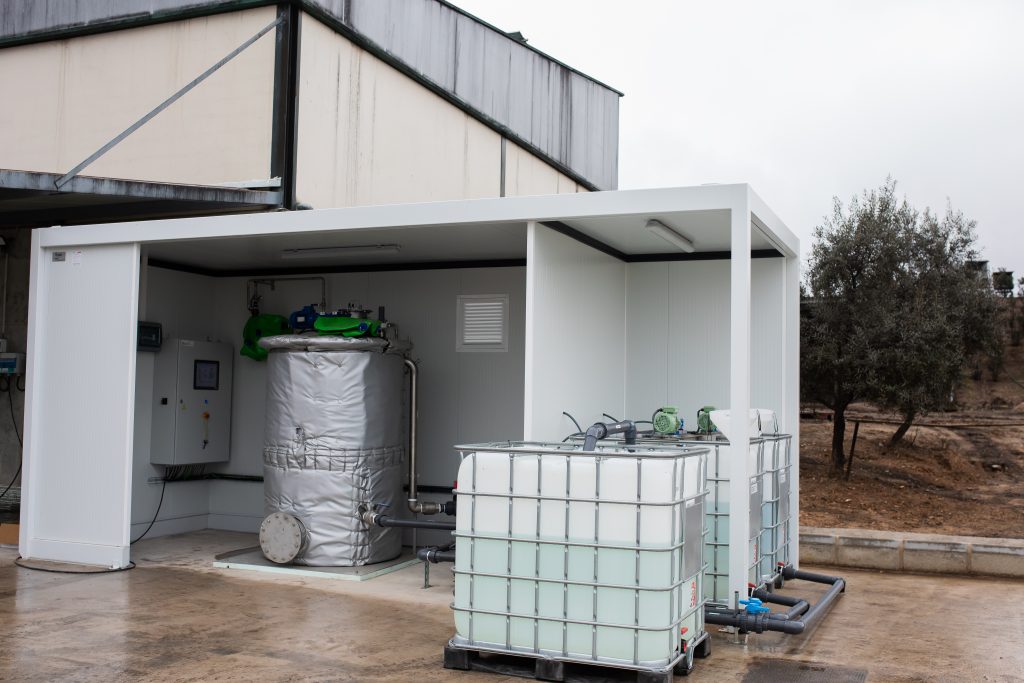
A correctly scaled biogas pilot starts with quantitative success criteria defined before the pilot, not after. Five KPIs underpin the technical decision: minimum increase in specific productivity (≥7%), operational stability measured by FOS/TAC (<0.35 during 80% of the pilot), H₂S reduction (≥30% when applicable, relative to the initial value), reproducibility sustained for 60 days with […]
BMP biogas VDI 4630: ISR, acclimation and kinetic fitting
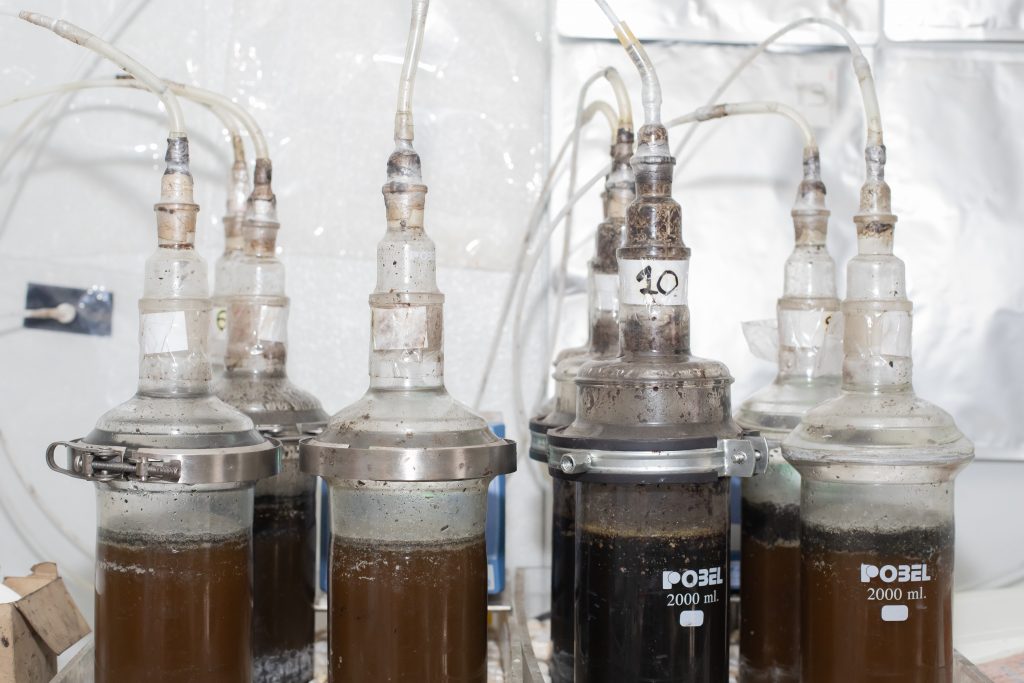
BMP tests that do not comply with the VDI 4630 protocol introduce biases of 20-40% in the results. The critical points are the inoculum-to-substrate ratio (ISR ≥ 2 on a VS basis), inoculum acclimation, the inclusion of triplicates and endogenous blanks, the termination criterion (daily production < 1% of the cumulative) and kinetic fitting with […]
Biogas plant diagnosis: a 14-KPI dashboard

Operating a biogas plant without a technical dashboard turns every biological shutdown into a mystery. The Smallops Operational Excellence Diagnosis assesses 14 variables grouped into 4 blocks — load, performance, stability and inhibitors — and classifies each inefficiency into its real category: a criterion failure, a methodological error or a physical limitation. With that classification, […]
Anaerobic digestion additives: a 5-step technical protocol
Applying additives or catalytic nanoparticles to an anaerobic digester without a prior diagnosis is a serious mistake: the effect is marginal or nil and is unfairly attributed to the product. The Smallops operational rule is sequential and non-negotiable: Problem · Diagnosis · Process understanding · Plan · Necessary actions and optimal catalyst addition (decision-making with […]
Free ammonia in biogas: calculation, thresholds and mitigation

Co-digestion multiplies profitability but introduces dynamic uncertainty. The first risk is not total ammoniacal nitrogen (TAN): it is the free NH3 fraction. It is governed by the pKa 9.25 equilibrium, modulated by pH and temperature. A digester that incorporates pig slurry, WWTP sludge or poultry by-products without auditing the mixture works with an inhibition variable […]
Anaerobic digester stabilisation: sentinel variables, FOS/TAC thresholds and predictive control

Managing an anaerobic digester by looking only at pH and biogas production is operating while looking in the rear-view mirror. When pH drops you may already have severe acidosis: the operational damage runs 5 to 14 days ahead in the variables you should be measuring. Robust control is built on sentinel variables with defined operational […]
The lab-to-plant gap in biogas: closing it with VDI 4630
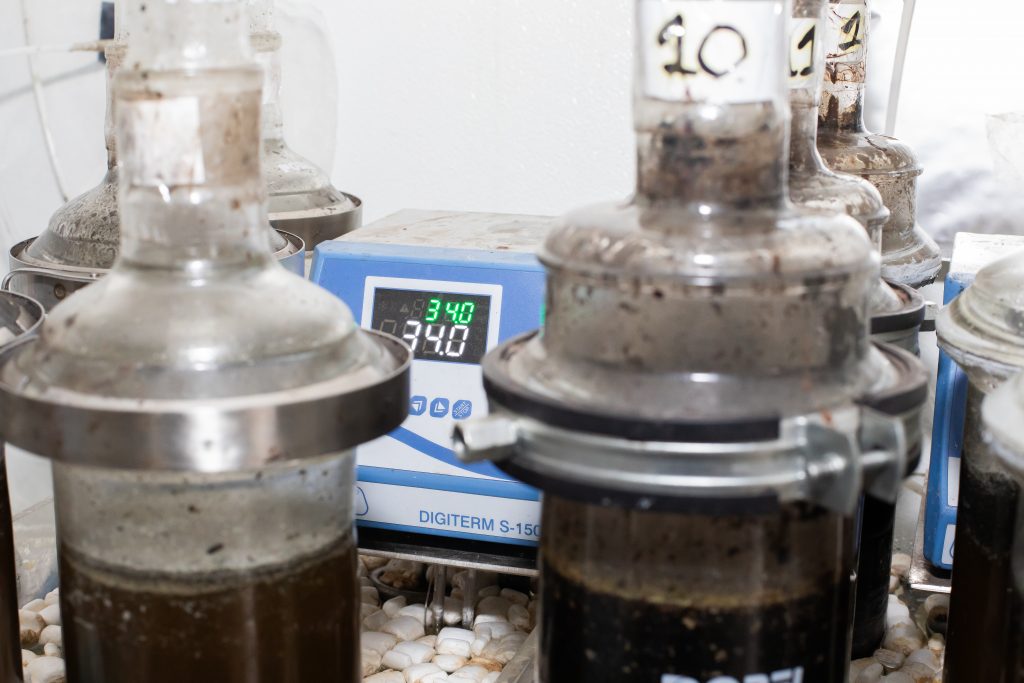
An excellent BMP test in the laboratory does not guarantee a stable digester in the plant. The difference between theoretical potential and real production, the so-called lab-to-plant gap, is commonly measured at between 15% and 40% when the test is run without meeting the three requirements set by the VDI 4630 standard: an adequate inoculum-to-substrate […]
The new standard in biomethane plants
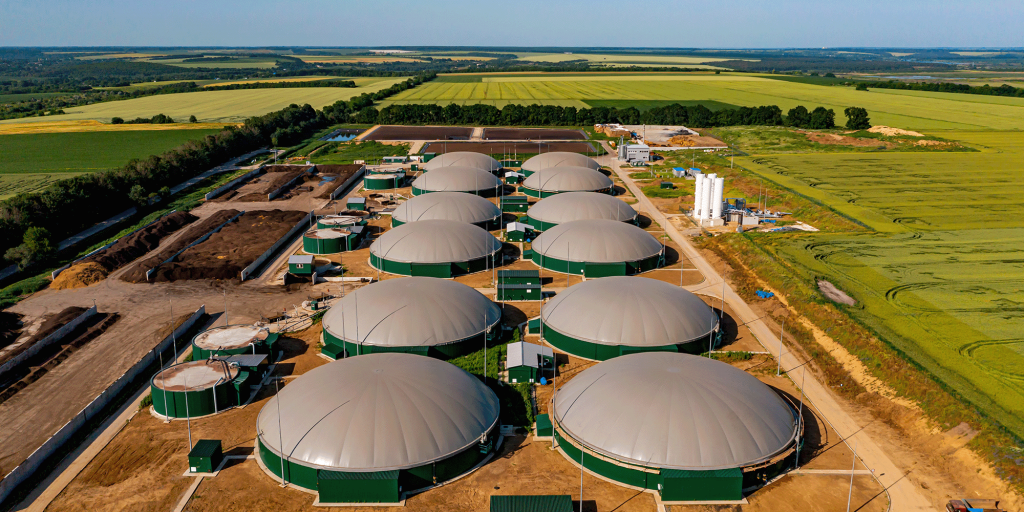
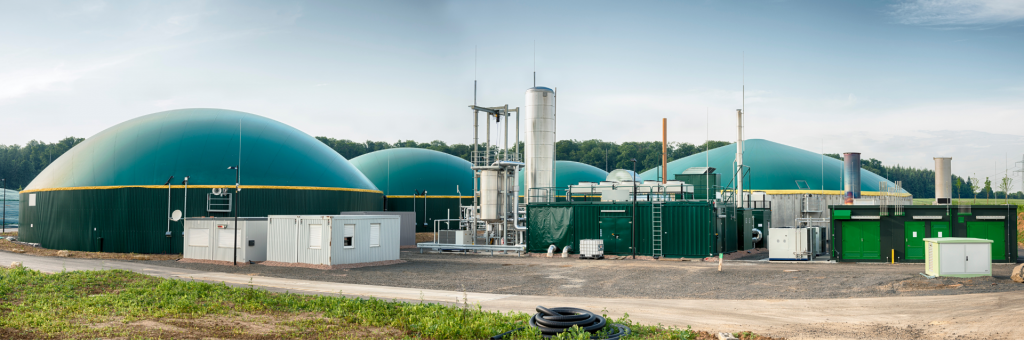
The expansion of biomethane plants in Spain and Europe is now an unstoppable trend. Thanks to its ability to replace fossil natural gas and be injected directly into the grid, biomethane has become the key energy carrier of the circular economy. However, for a biomethane plant to be truly profitable, simply producing gas is not […]
Higher performance with sustainable fertilizers

The challenge of doing more with less Today, farmers face a twofold challenge: on the one hand, the need to increase production, and on the other, the need to reduce environmental impact and input costs. In this context, sustainable fertilizers are establishing themselves as a key tool for improving efficiency and profitability in agriculture. At […]
Fulvic acids: science and agronomic function

Beyond conventional organic matter In precision agronomy, the challenge is no longer the amount of fertilizer applied, but rather its actual bioavailability in the rhizosphere. Within the complex world of humic substances, fulvic acids represent the most dynamic and physiologically active fraction. At Smallops, we have perfected the extraction of these compounds through the advanced […]