
What is anaerobic digestion: fundamentals, phases and applications
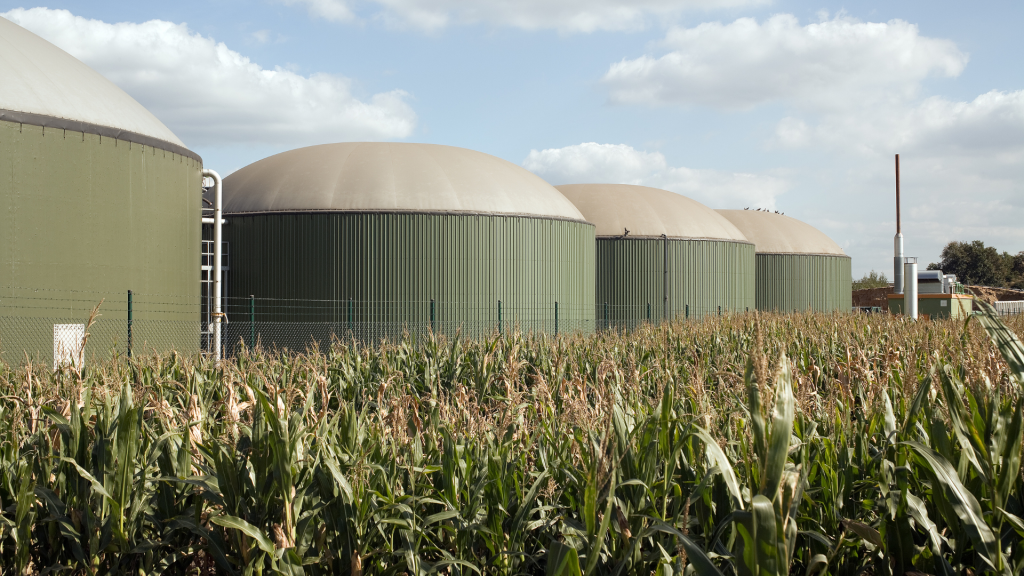
Anaerobic digestion is a biological process in which a consortium of microorganisms breaks down organic matter in the absence of oxygen and generates two valuable products: biogas (a methane-rich mixture) and digestate (an organic fertiliser). It happens in four linked phases (hydrolysis, acidogenesis, acetogenesis and methanogenesis) and needs controlled conditions of temperature, pH and nutrients. […]
Biogas sample traceability: the lab-plant chain of custody

Biogas sample traceability is what separates a useful figure from a worthless number. A poorly taken, poorly preserved or poorly labelled sample gives results that look real but are not, and wrong decisions are made on them. FOS/TAC degrades in under 24 hours and VFAs in hours. Without a cold chain, labelling and records, the […]
Biomethane EN 16723: quality for grid injection
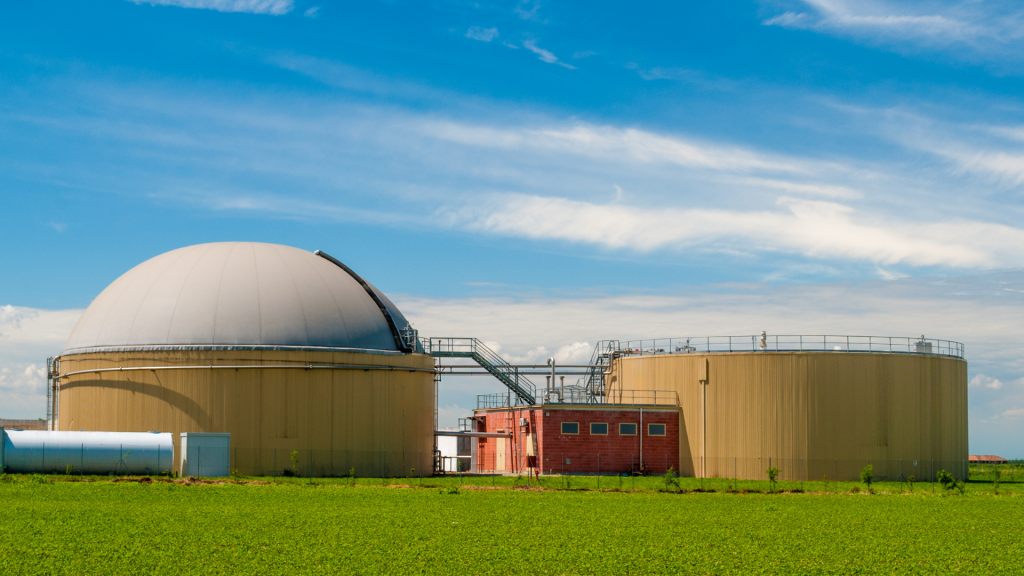
Biomethane EN 16723 is biogas purified to natural-gas quality for injection into the grid. The standard sets strict limits: methane above 96%, oxygen below 1% and traces of H2S, siloxanes and water reduced to a minimum. Reaching them is not only a matter of the upgrading equipment: biomethane quality starts in the digester. The dirtier […]
LCFA inhibition in biogas: reversible adsorption and DIET

LCFA inhibition in biogas is not a poisoning: it is a physical and reversible phenomenon. The long-chain fatty acids (LCFA) released by fats adsorb onto the microorganisms’ membrane and block substrate transport. Above 100-200 mg/L the process slows down, but an acclimated consortium recovers in 5-15 days. Three levers allow you to harness the high […]
Biogas desulphurisation: digester vs gas line
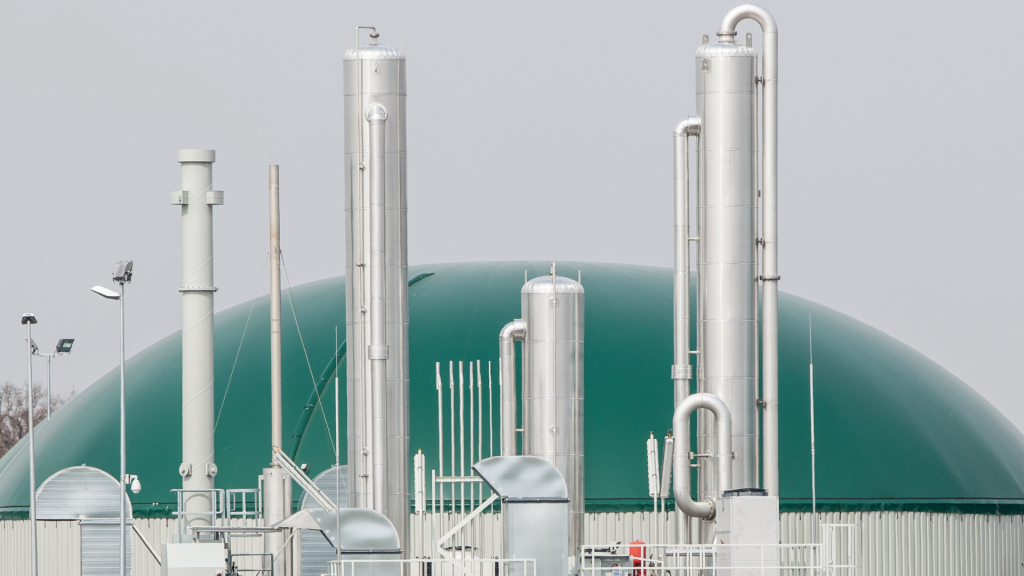
Biogas desulphurisation can be done inside the digester (precipitating sulphides with iron salts or using conductive nanoparticles) or downstream, in the gas line (impregnated activated carbon, biofilters, chemical scrubbers). The correct technical decision is not choosing one or the other: it is understanding which fits your plant’s H2S regime, the engine or biomethane-grid specification, and […]
Biogas additives: the myth of the magic solution
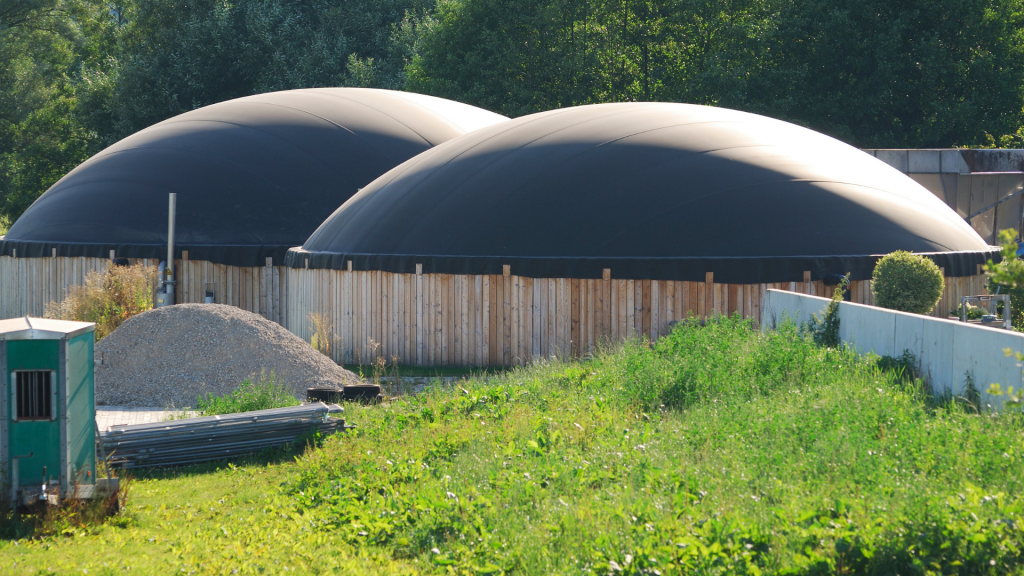
Biogas additives have a place in a well-operated plant, but the place they occupy is always the last, never the first. When applied without a prior diagnosis, the most likely outcome is an ROI below 1x within 12 months, a sustained loss, and a recurring annual cost of between €30,000 and €80,000 in a 1 […]
Biogas engineering vs O&M: the three asymmetries of the EPC
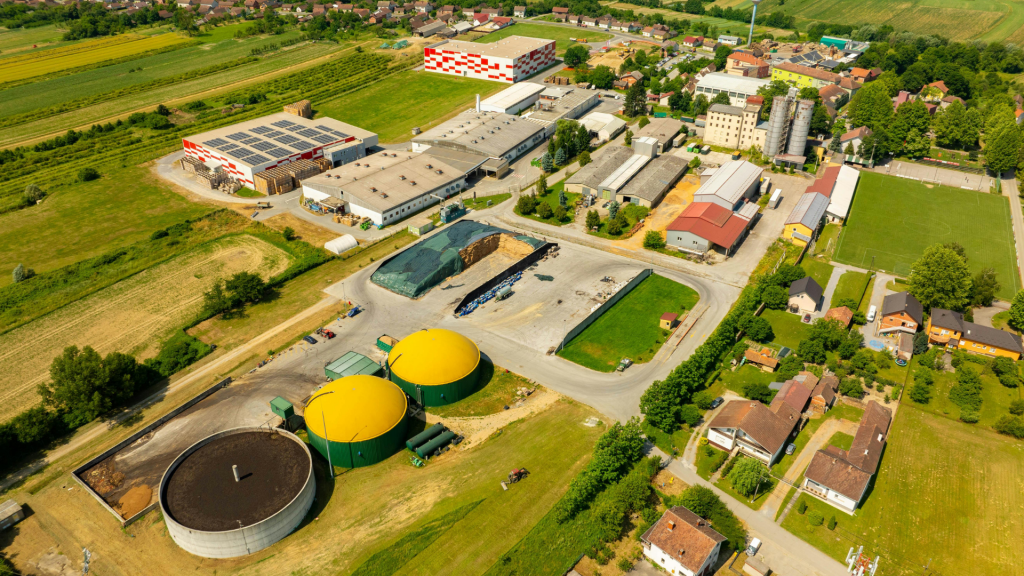
Engineering and biological O&M answer different questions at different times. EPC engineering delivers a plant that is sized, built and commissioned, with a typical process guarantee of 12-24 months. Biological O&M maintains operational control over the following 15-25 years, against a diet that changes, a consortium that evolves and supply contracts that are renegotiated. Three […]
Slurry biogas: stabilisation against inhibitors
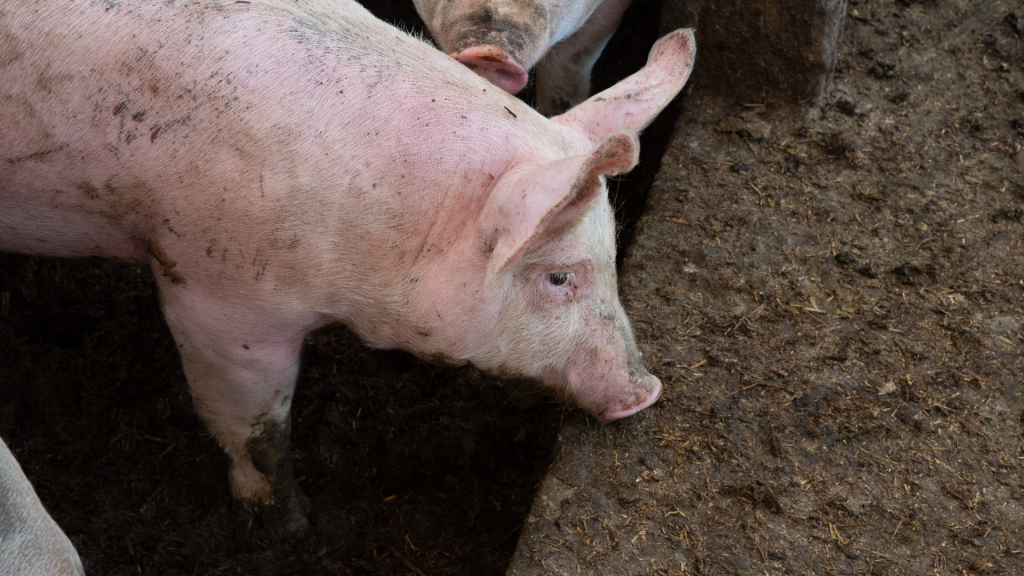
Slurry biogas carries three specific operational pain points that do not appear with other substrates: low energy load per unit of mass, free-ammonia inhibition derived from the ammoniacal nitrogen of the manure, and erratic input of veterinary antibiotics and disinfectants that harm the methanogenic consortium. The profitability of livestock biogas does not depend on how […]
Biogas in WWTP: maximisation with OFMSW co-digestion
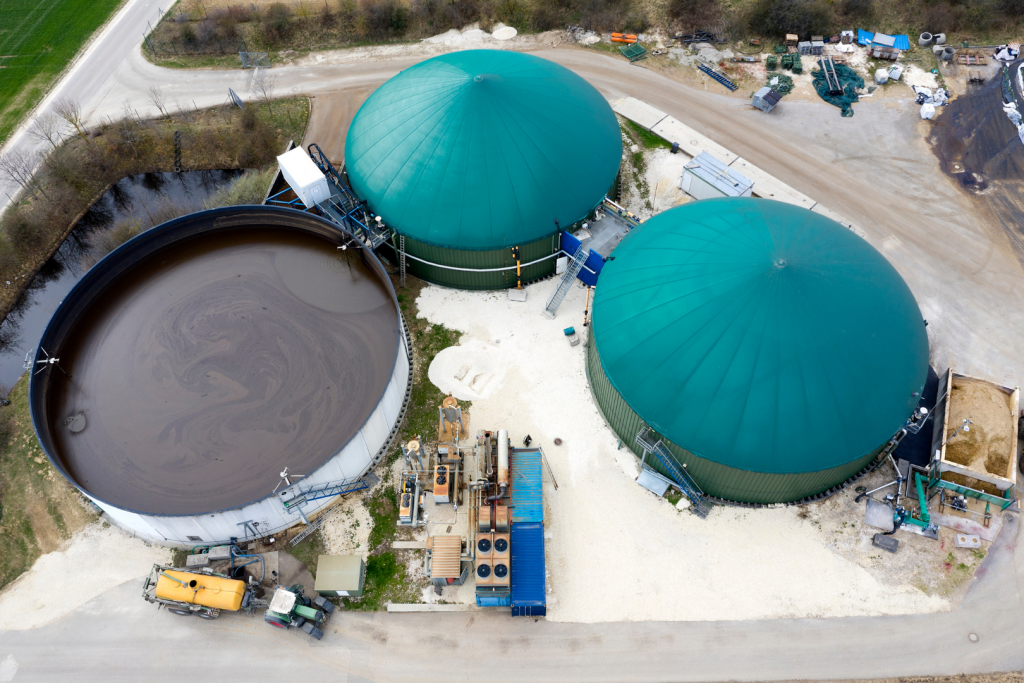
Biogas in WWTP is the most underused operational opportunity in Spain’s water sector. Most plants with anaerobic digestion operate with VS removal of 35-50% digesting only primary and secondary sludge, when they could reach 45-65% by co-digesting with the organic fraction of municipal solid waste (OFMSW). Well-managed co-digestion raises biogas production, reduces the dewatered sludge […]
Agro-industrial co-digestion biogas: seasonal variability
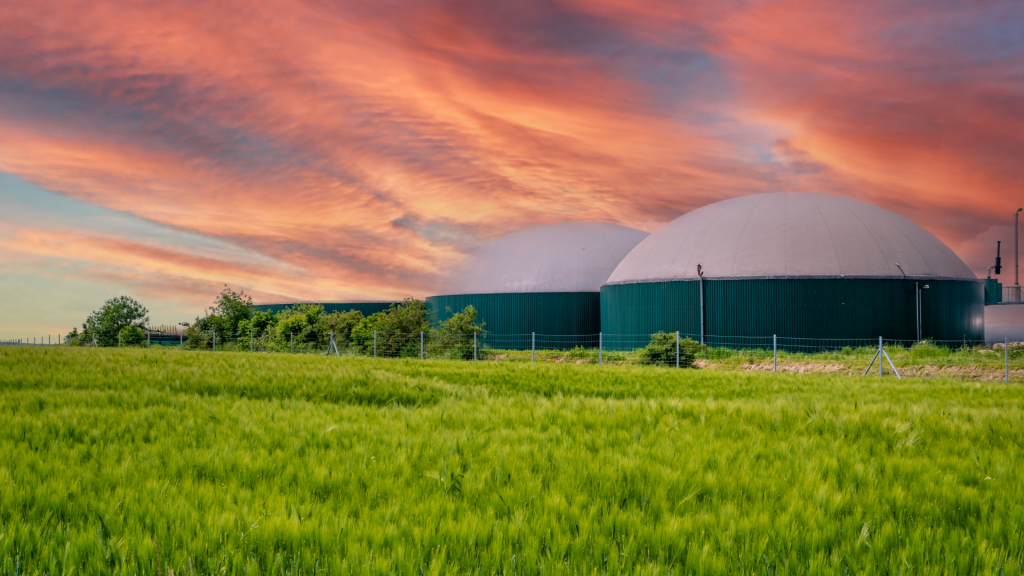
Agro-industrial co-digestion in biogas is the main strategy for diversifying the digester diet and increasing productivity above a single substrate. But it is also the main source of operational instability. For example, the seasonal variation of VS in alperujo can reach ±25%, silage loses BMP with storage time, and fruit and vegetable waste concentrates peaks […]