
Smallops at El Confidencial’s ‘Extremadura, investment destination’ forum

Rubén Escudero, co-founder and CTO of Smallops, championed the role of Extremadura’s deep tech innovation as a driver for investment and talent at the third edition of El Confidencial’s ‘Extremadura, investment destination’ forum.
Organic loading rate (OLR) in biogas: definition, calculation and operating ranges
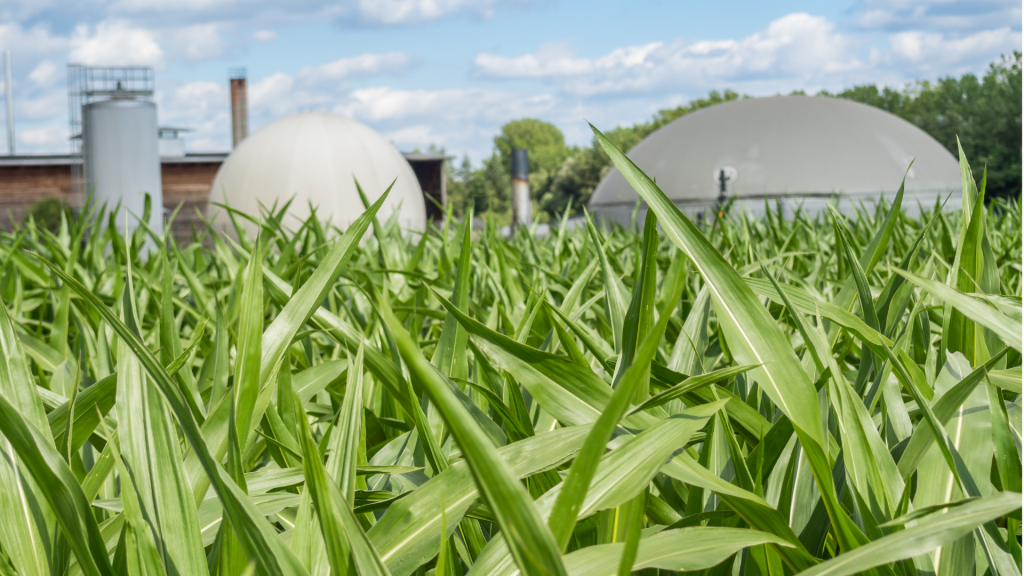
The organic loading rate (OLR) is the most important operating parameter of a digester: it measures how much organic matter is fed per reactor volume and day (kg VS/m³·d). It is calculated on volatile solids (VS), not on total solids (TS), because only the volatile fraction degrades and produces biogas. A mesophilic CSTR works well […]
The four phases of anaerobic digestion: hydrolysis, acidogenesis, acetogenesis, methanogenesis
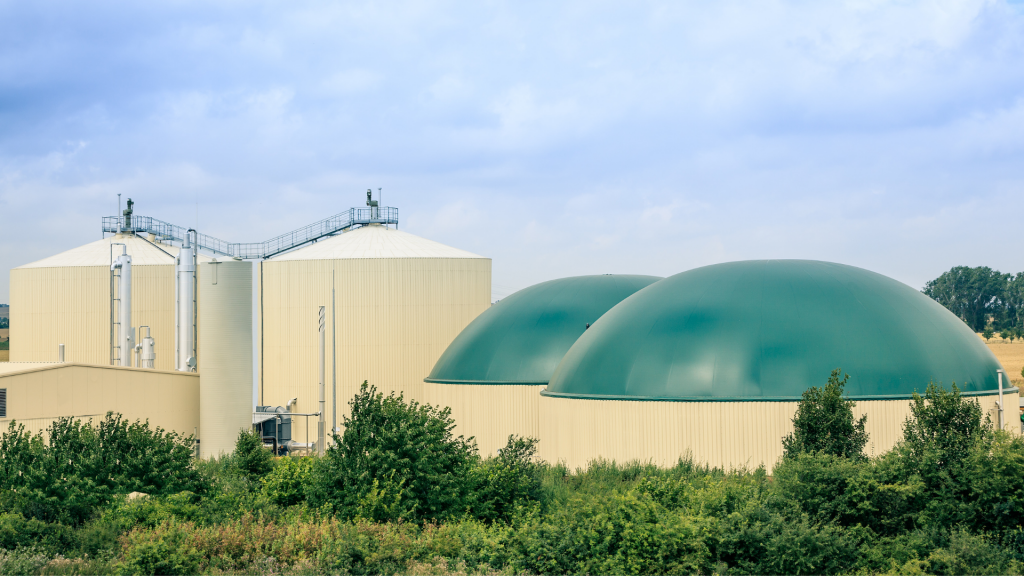
Anaerobic digestion is not a single step, but a chain of four linked biochemical phases: hydrolysis (breakdown of macromolecules), acidogenesis (production of VFAs), acetogenesis (production of acetate and hydrogen) and methanogenesis (production of methane). Each phase is carried out by a different microbial group and at very different speeds: acidogenesis is the fastest; hydrolysis limits […]
Syntrophy in biogas: the key relationship between bacteria and archaea
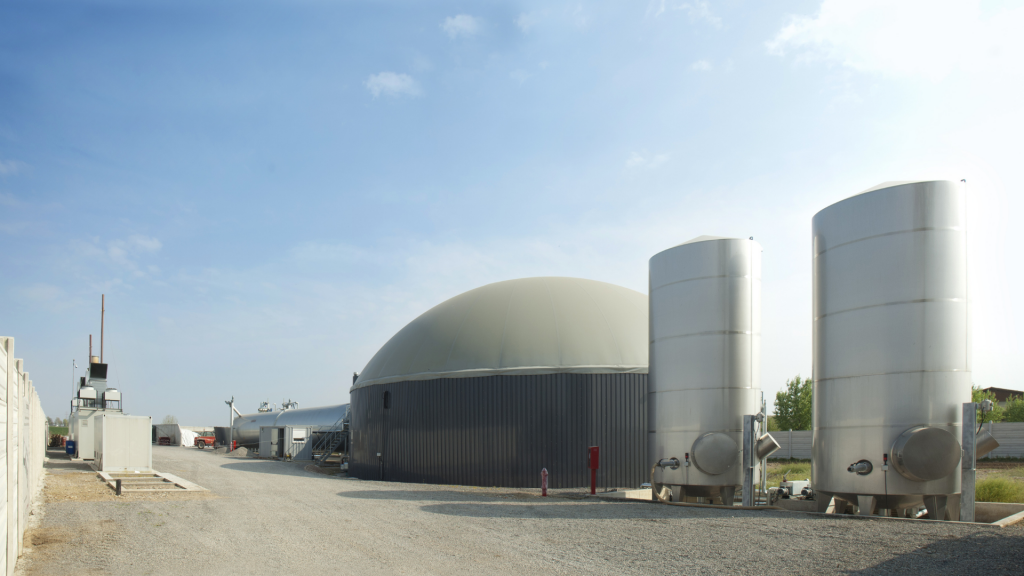
Syntrophy is the mutually dependent relationship between acetogenic bacteria and methanogenic archaea that makes anaerobic digestion possible. The bacteria can only degrade fatty acids (such as propionic acid) if the archaea remove the hydrogen they produce; if H₂ builds up, the reaction becomes thermodynamically impossible and the process blocks. Propionic acid is the key indicator […]
What is methanogenesis: archaea, biochemical pathways and operational control
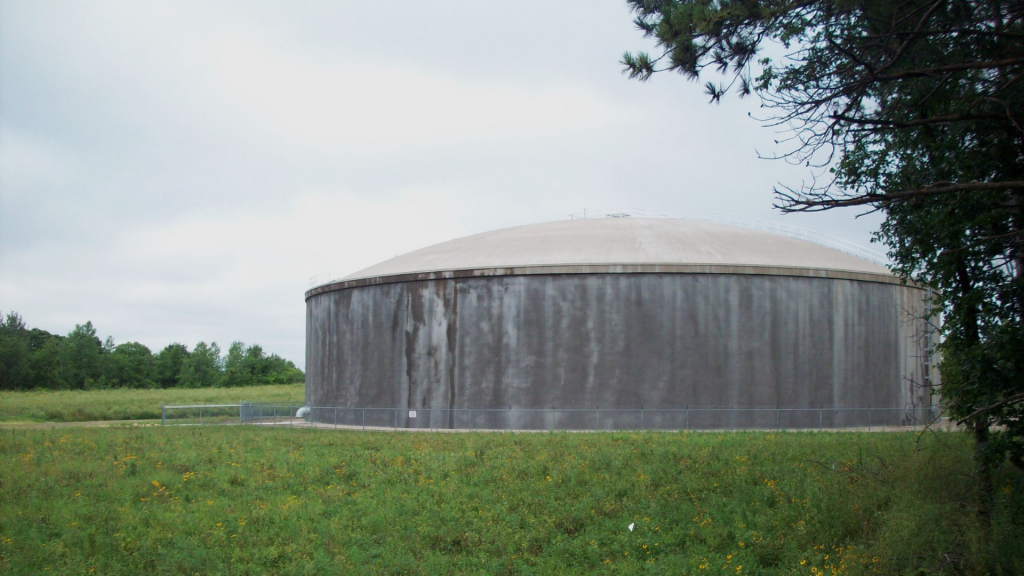
Methanogenesis is the last of the four phases of anaerobic digestion and the one that produces methane. It is carried out by methanogenic archaea, of two types: acetoclastic (from acetic acid) and hydrogenotrophic (from H₂ and CO₂). They are slow microorganisms, sensitive to pH, temperature, redox potential and free ammonia, which is why methanogenesis is […]
History of biogas: from the 19th century to today’s industrial plants
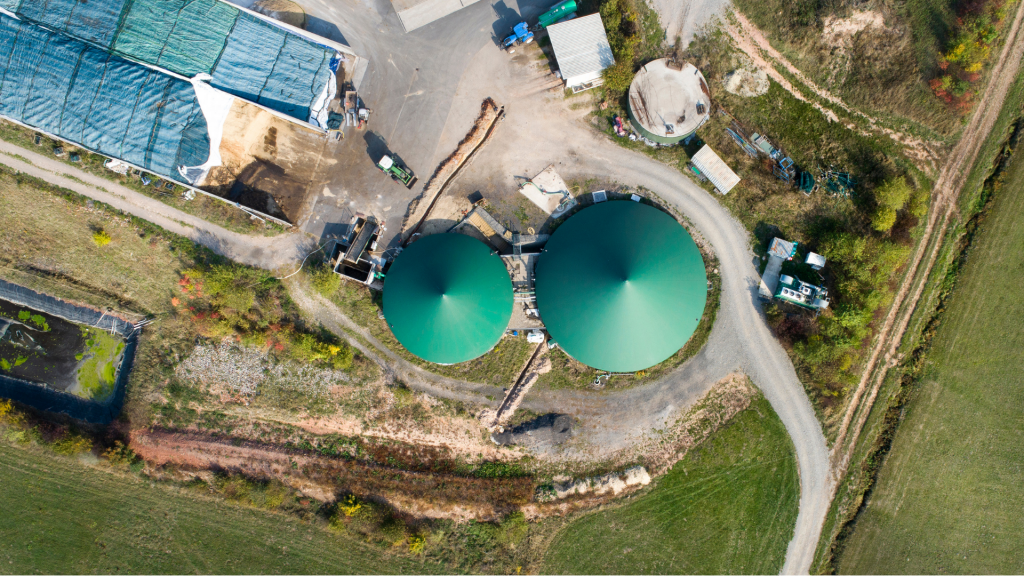
Biogas is not a new technology: the first documented digester dates from 1859, in a leper colony in Bombay. Since then it has gone from solving urban sanitation (the large wastewater plants of the 20th century) to becoming a piece of the energy transition, driven by the 1970s oil crisis and German leadership. Today Europe […]
Anaerobic digester instability: symptoms, causes and prevention
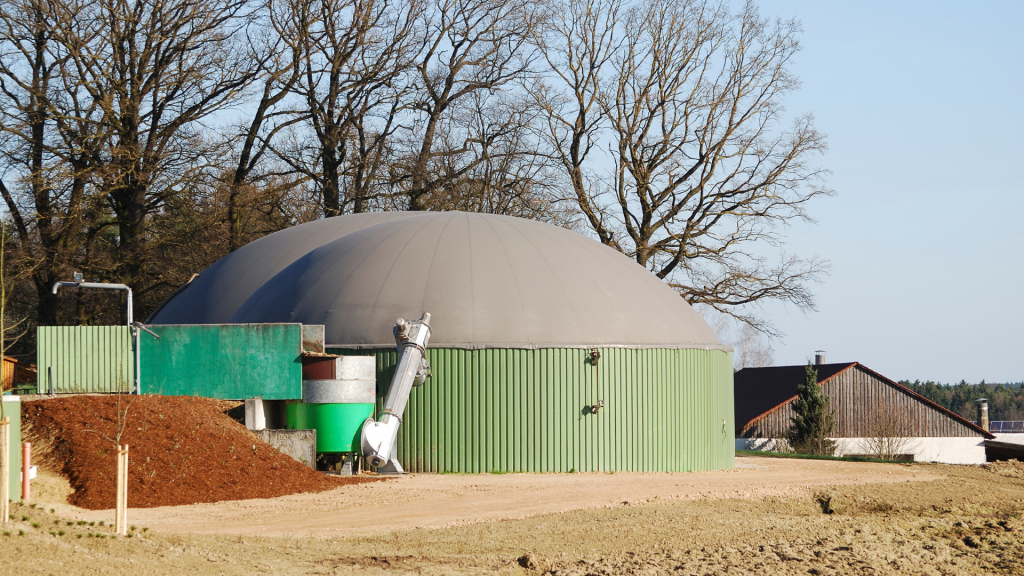
An unstable digester is one that has lost the balance between the bacteria that produce acids and the archaea that produce methane. The symptoms appear in a predictable order: first the propionic acid and the FOS/TAC ratio rise, then biogas production falls and the pH drops; if nothing is done, the reactor acidifies and collapses. […]
How to add a new substrate to the anaerobic digester (biogas): step-by-step protocol
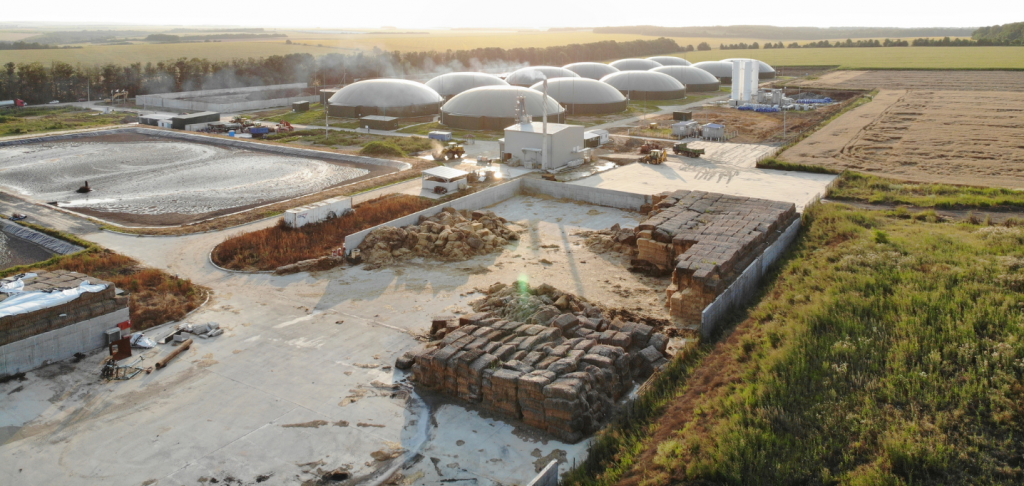
Adding a new substrate to the digester is one of the highest-risk moments of a biogas plant: done badly, it acidifies the reactor in days. The safe protocol has five steps: characterise the substrate (VS, C/N, BMP, inhibitors), run a preliminary test, add it with a gradual ramp (0.2-0.5 kg VS/m³·day per week, starting below […]
Biogas process engineering: what it is and why it decides your plant’s performance
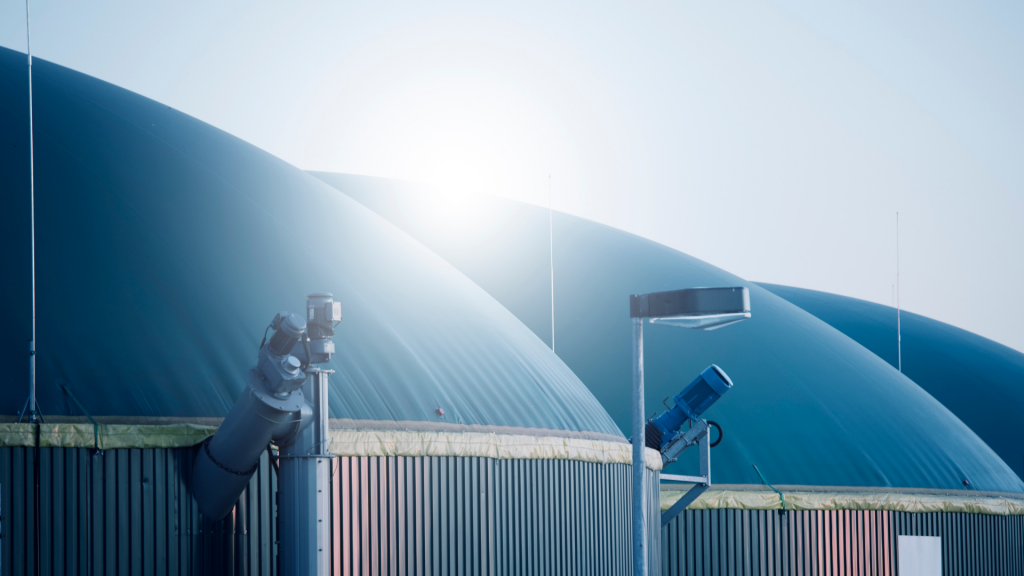
Biogas process engineering is the discipline that designs and optimises what happens inside the digester: the biology and the process conditions (substrates, load, retention time, temperature, control), not the civil works or the mechanics. It is what decides whether a plant delivers 100 % of its potential or stays at 70 %. Unlike EPC engineering, […]
Enzymes, micronutrients, bioaugmentation and nanoparticles in biogas: when they really work
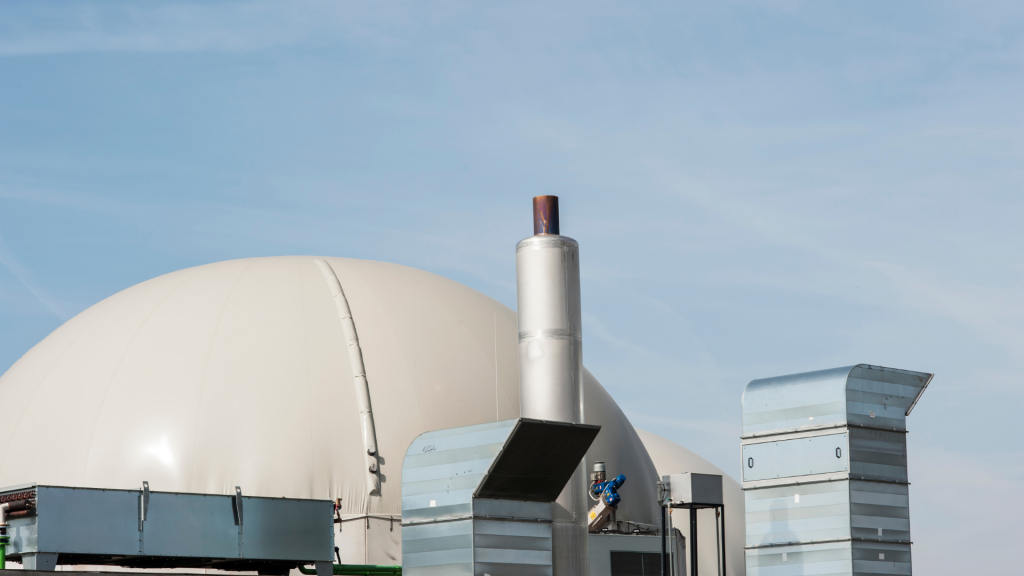
There are three big families of biological additives for biogas: micronutrients or trace elements (Ni, Co, Fe, Se, Mo), enzymes and bioaugmentation (adding microorganisms). A fourth, more recent route is added to them: conductive nanoparticles. They are not magic solutions, but they are not smoke either: each one solves a specific problem and only helps […]