
CTAEX highlights Smallops’ technology as a lever for the circular bioeconomy in the primary sector

FoodLab (CTAEX) devotes an article to Smallops’ technology (OPS and alperujo valorisation) and its role as a lever for the circular bioeconomy in the primary sector.
Sediments and sand in the biogas digester: accumulation, operational impact and management
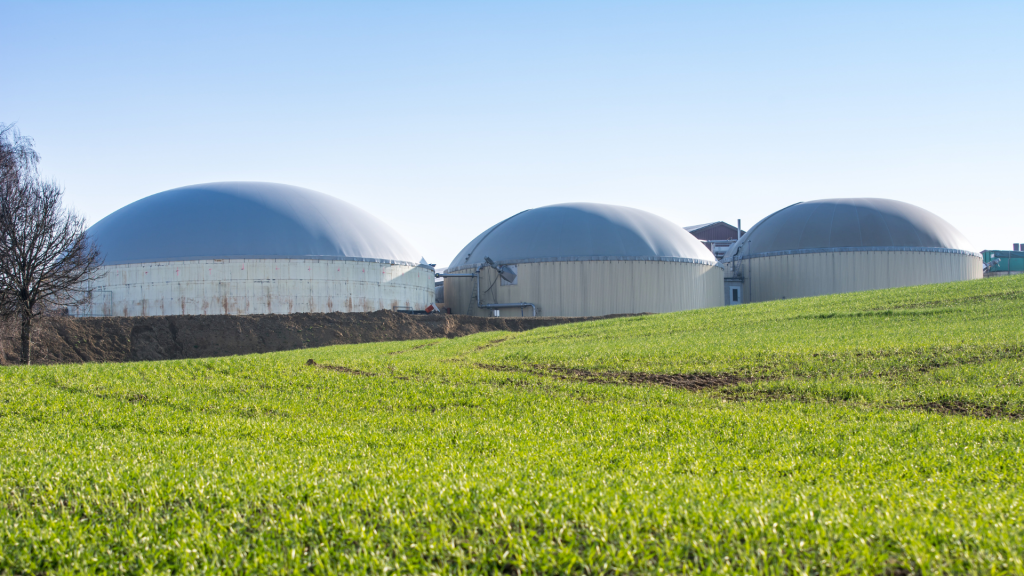
Sediments are the slowest problem a digester has: they build up for years without showing themselves, and one day it turns out the reactor has 15 % less volume than the project says. They come from the sand in slurry, the fines in WWTPs and the calcium and struvite precipitates. In a slurry plant without […]
Biogas production drop: the 7 most likely causes and a diagnostic tree
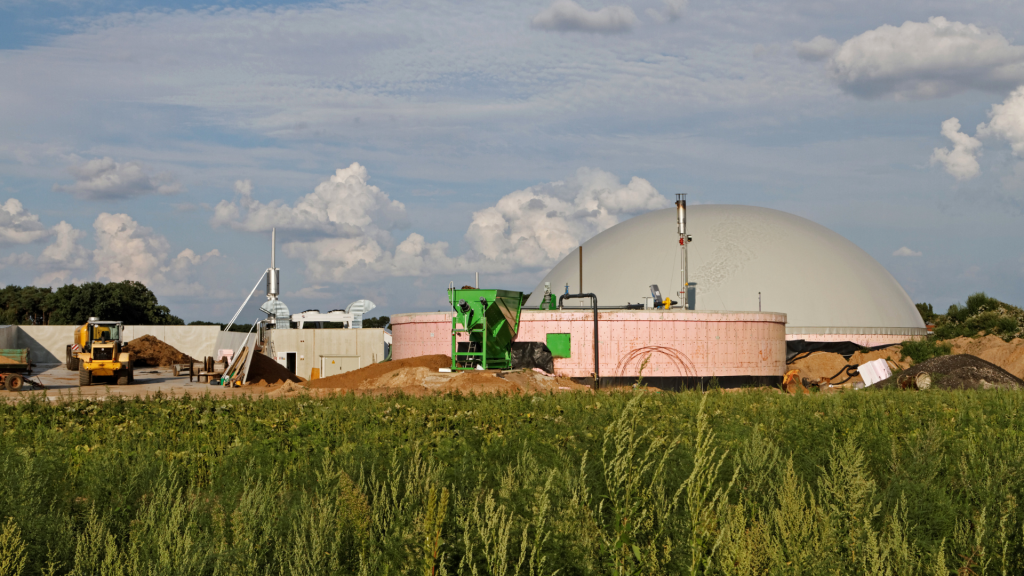
When biogas production drops, the question is not what happened, but in what order to look. Almost all drops come down to seven causes, and most can be told apart with data the plant already has. The first three (an uncharacterised diet change, real-versus-nominal OLR overload and free NH₃ inhibition) explain most cases. The next […]
Floating crusts in the digester: prevention, diagnosis and removal
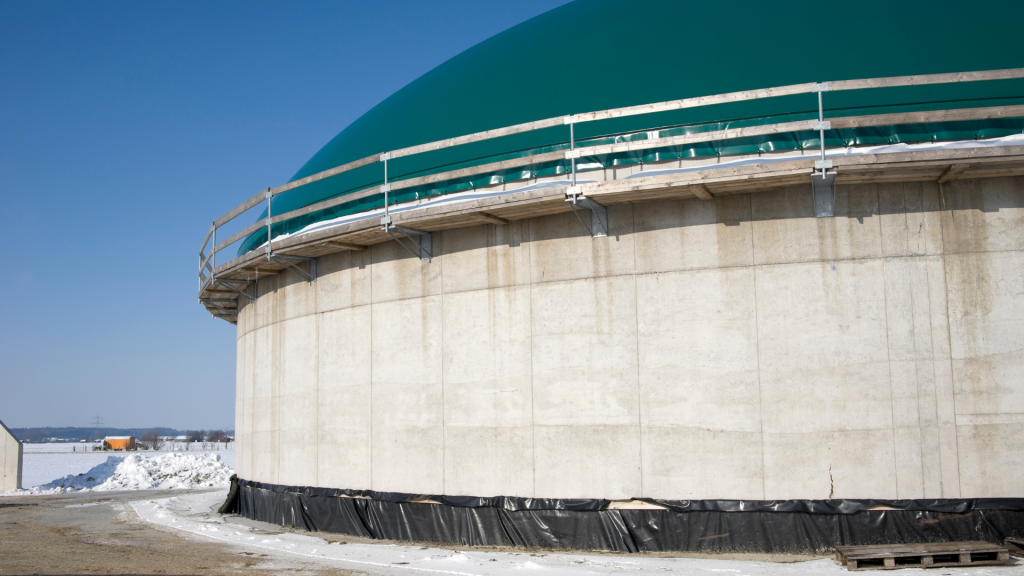
A floating crust is a compact layer of fibre and light material that accumulates on the surface of the digester and stops mixing with the rest of the volume. It is not dirt: it is working volume that disappears. A consolidated crust can occupy between 10 and 25 % of the reactor volume and take […]
Foaming in the anaerobic digester: causes, diagnosis and intervention

Foaming is one of the most disruptive problems in a digester: it blocks the gas pipes, triggers alarms and can reduce production by 20 to 40 % while it lasts. It has three structural causes: excess proteins, surfactants in the substrate and organic overload. The key is to diagnose which one is real before acting, […]
Smallops on the Gas Renovable podcast: nanotechnology to produce more biomethane
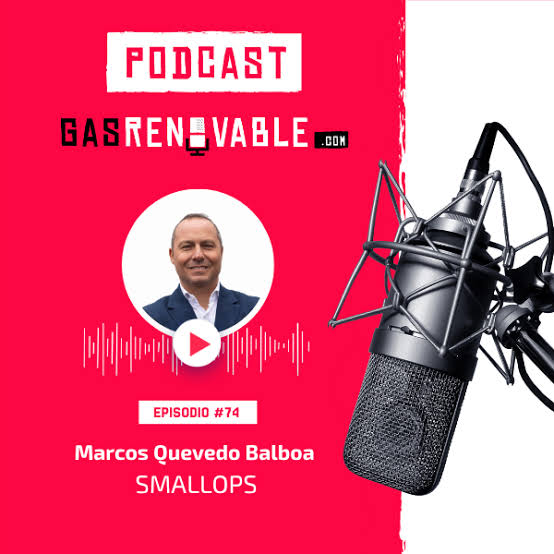
Marcos Quevedo Balboa, president of Smallops, explains on the Gas Renovable podcast how the company’s iron nanoparticles improve biogas and biomethane production from olive mill waste (alperujo).
Anaerobic digester microbiology: communities, dynamics and molecular diagnosis

Inside a digester live hundreds of species of microorganisms organised into four large groups: hydrolytic, acidogenic and acetogenic bacteria, and methanogenic archaea. A stable digester harbours between 150 and 500 different species and up to 10¹⁰ cells per millilitre. Knowing that community, now accessible with molecular techniques (qPCR, 16S, metagenomics), makes it possible to understand […]
Mesophilic vs thermophilic digestion: technical and operational comparison
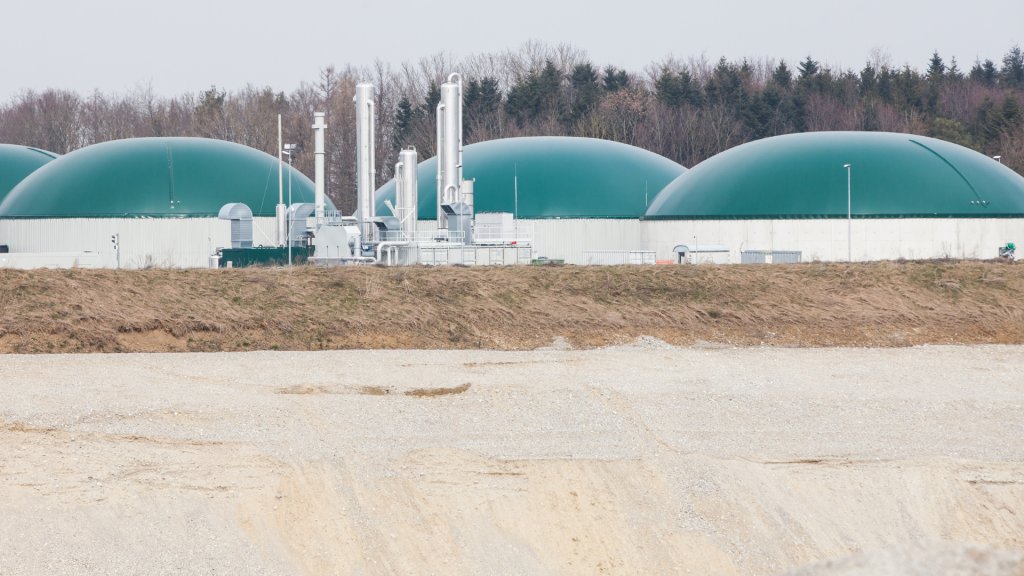
Anaerobic digestion can operate in a mesophilic regime (35-40 °C) or a thermophilic one (50-57 °C). The thermophilic regime is faster (hydrolysis runs 2-3 times quicker, with retention times of 12-20 days versus 20-40) and hygienises the digestate, but it is more sensitive to ammonia and consumes 30-60 % more heating. The mesophilic regime is […]
C/N ratio in anaerobic digestion: why 20-30 is the optimal range
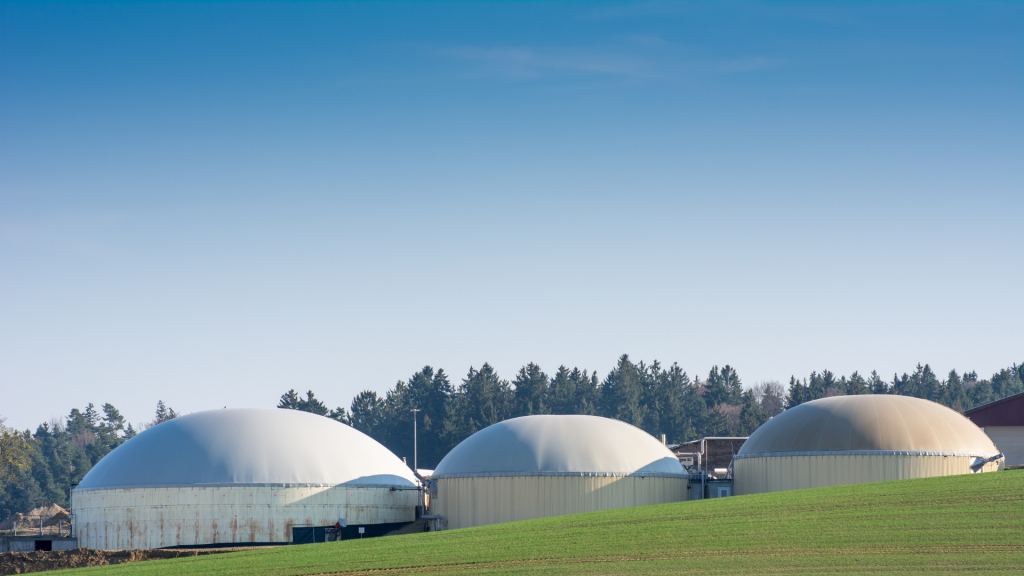
The C/N ratio (carbon-to-nitrogen ratio) is the parameter that measures the nutrient balance of the digester diet. The optimal range is between 20 and 30: below 15 there is excess nitrogen and a risk of ammonia inhibition; above 35 nitrogen is lacking and digestion slows down. Almost no substrate is in the ideal range on […]
Hydraulic retention time (HRT) and SRT in anaerobic digestion
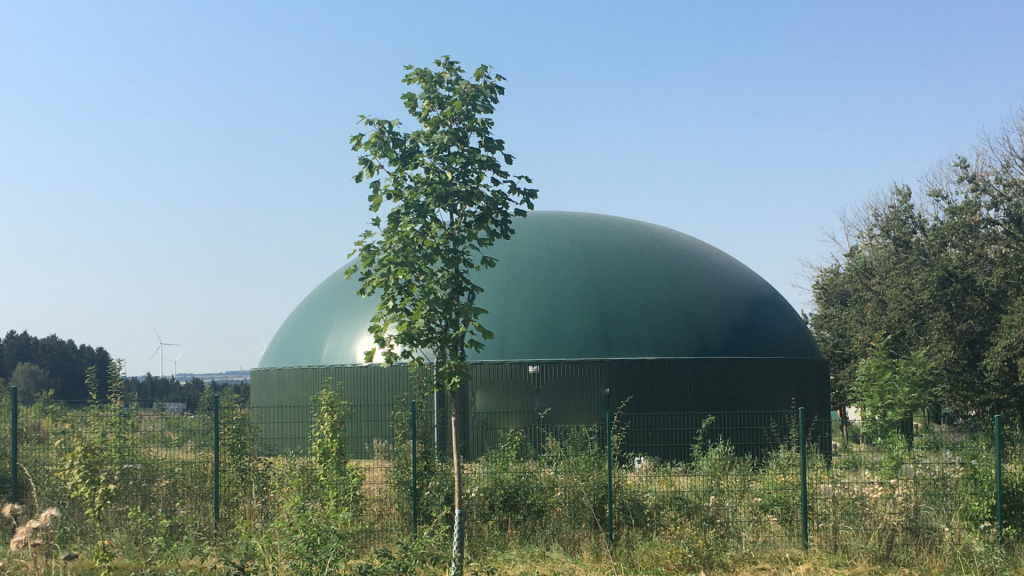
Hydraulic retention time (HRT) is the average time the liquid stays inside the digester; SRT is the time the biomass (the microorganisms) stays. In a conventional CSTR both coincide, but in advanced reactors (UASB, AnMBR) they are decoupled: they retain the biomass much longer than the liquid, which makes it possible to treat large flows […]