
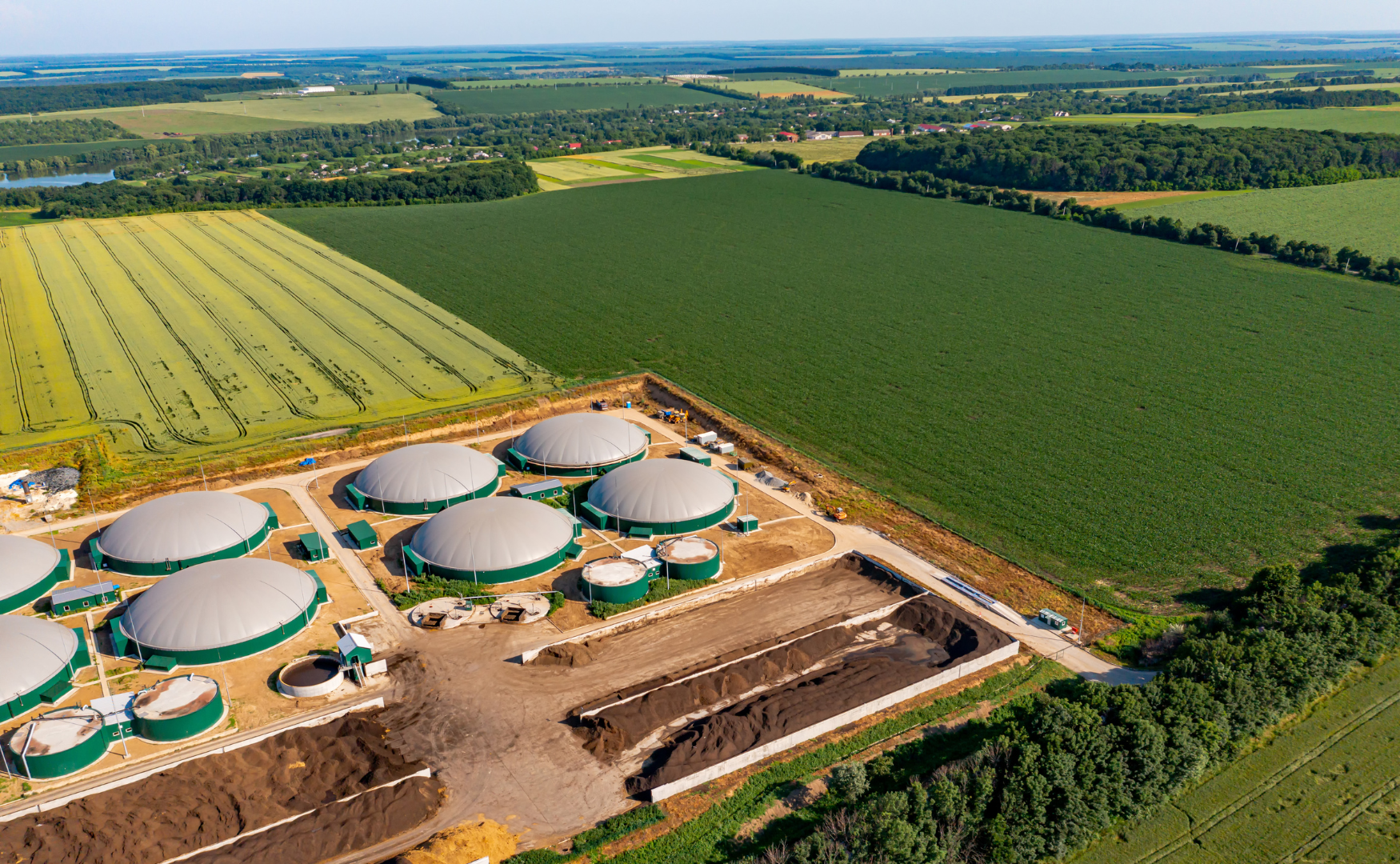
If your digester receives animal by-products (slurry, slaughterhouse waste, food industry residues of animal origin), the digestate falls under animal by-products (ABP) regulation: Regulation EU 1069/2009, its implementing Regulation EU 142/2011 and, in Spain, Royal Decree 1528/2012. The category of the material (1, 2 or 3) determines the treatment: hygienisation at 70 °C for 60 minutes with a maximum particle size of 12 mm for category 3, pressure sterilisation (133 °C, 20 minutes, 3 bar) for category 2. Added to this are documentary traceability during transport and, to apply the digestate to land, the conditions of Royal Decree 1051/2022.
Digestate is not just any waste: if material of animal origin goes into the digester recipe, it inherits the classification and the obligations of animal by-products regulation (animal by-products not intended for human consumption).
That inheritance shapes the whole chain: which heat treatment it needs, which documents must accompany each tanker and which destinations it can go to. And non-compliance here is the kind that shuts a plant down.
This article sets out the essentials: what animal by-products are, the three categories, the hygienisation requirements, traceability and the use routes for digestate. It complements the general map of biogas regulation in Spain.
What animal by-products are and why the rules apply to digestate
Animal by-products are animal by-products not intended for human consumption: slurry and manure, slaughterhouse waste, fallen stock, former foodstuffs of animal origin. They are regulated by Regulation EU 1069/2009, directly applicable throughout the EU.
The key for biogas is that the classification is passed on: a digester that receives animal by-products produces an animal by-product digestate, with the treatment, record-keeping and destination obligations corresponding to the highest-risk category that has entered. This is the typical case of biogas from slurry and of many agro-industrial plants.
The three categories of animal by-products
| Category | Risk | Typical examples | Use in biogas |
|---|---|---|---|
| Category 1 | High | Material with TSE risk, experimental animals | Strictly regulated route; in practice, outside conventional biogas |
| Category 2 | Medium | Slurry and manure, fallen stock, digestive tract content | Admissible with pressure sterilisation; slurry has an exception (see text) |
| Category 3 | Low | Food industry residues, former foodstuffs, slaughterhouse by-products fit for consumption | Admissible with standard hygienisation |
An important nuance: although slurry is formally category 2, the Regulation itself allows it to be used in biogas plants without prior sterilisation when the competent authority does not consider it to present a risk of spreading any serious transmissible disease. This is the exception that makes livestock biogas viable as we know it.
Hygienisation requirements: temperature, time, particle size
The two reference treatments are:
- Hygienisation (category 3): 70 °C for 60 minutes, with a maximum particle size of 12 mm.
- Pressure sterilisation (category 2): 133 °C for 20 minutes at 3 bar absolute pressure.
The pasteurisation/hygienisation unit is a mandatory pass-through for the material entering the plant (except for the exceptions set out in the Regulation, for example when the material arrives already treated) and must be validated and recorded (temperatures and times with continuous recording). Operating in the thermophilic range does not in itself exempt the plant from the treatment, although it does influence the sanitary load of the process; the comparison is covered in the post on mesophilic vs thermophilic digestion.
Mandatory traceability: records and documents
Every movement of animal by-products (incoming substrates and outgoing digestate) must be accompanied by the commercial document: origin, destination, category, quantity and carrier. This is the general rule; the main exception is manure, whose transport within the same farm or between farms and users in the same Member State may be authorised by the competent authority without a commercial document (Article 21 of Regulation EU 1069/2009).
The plant must keep the records (usually for at least two years), be registered as an authorised animal by-products establishment and be able to reconstruct the path of any batch. In an inspection, documentary traceability is the first thing requested.
Use routes for digestate by category
The natural destination of digestate is agronomic use: applied to the soil as an organic fertiliser, complying both with animal by-products rules (treatment according to category) and with Royal Decree 1051/2022 (doses, periods and application techniques). It is the highest-value route and the one that closes the nutrient cycle.
The alternatives are composting (in an authorised plant, with the same category constraints) and, as a last resort and after processing, disposal. Digestate from sewage sludge follows its own regime (it is not an animal by-product), as explained in the post on biogas in WWTPs.
Royal Decree 1528/2012 and national implementation
Royal Decree 1528/2012 adapts the European framework to Spain: it designates the competent authorities, organises the registers of animal by-products establishments and carriers, and specifies the authorisation conditions for biogas plants that process these materials.
In practice, the point of contact is regional: the plant’s animal by-products authorisation, inspections and registers depend on the autonomous community, always on the basis of Regulation EU 1069/2009 and its implementing regulation (EU 142/2011).
Connection with Royal Decree 1051/2022
Complying with animal by-products rules is not enough to take digestate to the field: agricultural application is also regulated by Royal Decree 1051/2022 on sustainable nutrition of agricultural soils, which requires the product to be characterised, dosed according to crop needs, applied in the permitted periods and with the permitted techniques, and every operation to be recorded.
The two rules complement each other: animal by-products regulation guarantees the sanitary safety of the digestate; Royal Decree 1051/2022, its responsible agronomic use. A well-managed plant documents both.
Frequently asked questions about digestate and animal by-products
What is animal by-products regulation as applied to biogas?
It is the framework that regulates animal by-products not intended for human consumption: Regulation EU 1069/2009, its implementing rules (Regulation EU 142/2011) and Royal Decree 1528/2012 in Spain. If the digester receives slurry, slaughterhouse waste or other materials of animal origin, the plant needs an animal by-products authorisation and the digestate inherits the treatment, traceability and destination obligations of the corresponding category.
Which animal by-products category is my digestate?
The highest-risk category among the materials entering the digester. If only category 3 materials enter (food industry residues, for example), the digestate is managed as category 3 with standard hygienisation. If category 2 material enters (slurry, fallen stock), the requirements of that category apply, with the practical exception of slurry, which can be digested without sterilisation when the competent authority allows it.
How is digestate hygienised under animal by-products rules?
For category 3 materials, the reference treatment is 70 °C for 60 minutes with a maximum particle size of 12 mm, in a unit that is a mandatory pass-through for the material entering the plant. For category 2 (except for the slurry exception), pressure sterilisation: 133 °C, 20 minutes and 3 bar. In both cases the treatment must be validated and recorded with continuous measurement of temperature and time.
Can I apply digestate as an agricultural fertiliser?
Yes, it is its natural destination, provided two frameworks are complied with at the same time: animal by-products rules (treatment and hygienisation according to the category of the substrates, plus documentary traceability) and Royal Decree 1051/2022 on sustainable nutrition (characterisation of the digestate, dosing according to crop, permitted application periods and techniques, and record of operations).
Smallops and digestate management
A misclassified substrate or a hygienisation without records can cost the plant its authorisation. At Smallops we review the animal by-products classification of your substrates, the validation of your hygienisation and the fit of your digestate with an Operational Excellence Diagnosis.
Do you know which animal by-products category your digestate is?
Request a Smallops Operational Excellence Diagnosis: we classify your substrates, review your hygienisation and your traceability, and tell you what you need to use your digestate without surprises.
References and standards
Regulation (EC) 1069/2009 of the European Parliament and of the Council on animal by-products not intended for human consumption. eur-lex.europa.eu
Commission Regulation (EU) 142/2011 implementing Regulation 1069/2009. eur-lex.europa.eu
Royal Decree 1528/2012 laying down the rules applicable to animal by-products in Spain. boe.es
Royal Decree 1051/2022, of 27 December, on sustainable nutrition of agricultural soils. boe.es/eli/es/rd/2022/12/27/1051